From keeping kids busy to building shared skills
Family hotel activities have shifted from distraction to deliberate learning. Today’s best family resort teams design programmes where parents and kids share the same skills, not just the same check in time. Across the United States, Loews Hotels, Hotel Effie at Sandestin and The Seabird Resort in Oceanside, California are quietly rewriting what a family friendly stay can feel like.
Data from the Family Travel Association’s 2023 U.S. Family Travel Survey shows that a clear majority of families now seek educational vacations, and hotels are responding with hands on workshops, interactive classes and guided experiences that work across age groups. One verified insight captures this shift with precision: “Cooking, arts and crafts, sports, and cultural activities.” Families who once asked about the nearest water park now ask whether the kids club teaches anything their children love enough to continue at home. As one resort activity director in New York State explains, “Parents want multi generational activities where everyone learns together, not just parallel play in different rooms.”
In this new landscape, the most interesting family hotel activities are not hidden in a basement playroom but woven through the property, from the spa to the golf practice lawn and even the horse ranch style stables. A well run family resort in New York State or a coastal springs resort in the southern United States will often pair local artisans with professional instructors, turning a simple craft hour into a structured workshop. The result is that families leave with shared skills, not just shared photos, and the hotel near you becomes part classroom, part playground, part multi generational learning hub.
How to read a hotel’s activity list like an insider
When you scan a list of family hotel activities, look first for mixed age design rather than a long menu of parallel options. A strong family resort programme will show the same activity offered in family sessions and kids only blocks, with clear guidance on ages, abilities and group sizes. Properties that take this seriously often publish instructor biographies, safety standards and equipment details with the same care they give to spa menus, so you can see who is leading each kids’ learning programme and how sessions are structured.
Pay attention to how a hotel describes its kids club, because language reveals intent. If the copy leans heavily on screens, generic toys and vague “fun time”, you are likely seeing childcare, not co creation. By contrast, a kids club at a thoughtful family friendly resort in New York City or in a quieter corner of New York State will highlight cooking classes, nature tracking walks in the nearby park and craft ateliers led by local makers. These family resort workshops often mention specific learning outcomes, such as knife skills, basic ecology or cultural storytelling, which signals a more intentional approach.
Location still matters. Resorts in the United States that sit near a national park, a working horse ranch or a coastal marina can build richer family hotel activities around their setting, from guided hikes to sailing basics. Before you book any of the family resorts that appear in your “hotel near me” search, cross check their activity philosophy against a specialist guide to genuinely family friendly hotels for a relaxed stay, such as this in depth framework for assessing family friendly hotels near you. The best family properties are transparent about schedules, fees and the real educational value of each session, and they explain how the surrounding landscape supports informal learning between organised activities.
Shared skill activities that work across generations
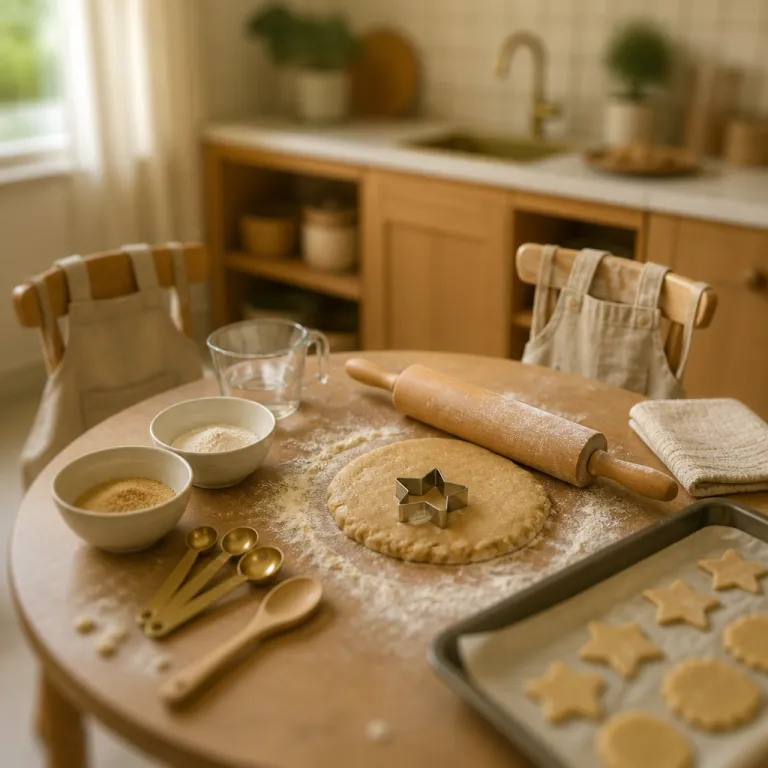
The most memorable family hotel activities are those where everyone learns together, whether you are in a city tower in New York or a wooded mountain house retreat. Cooking classes are a natural starting point, because they translate across cultures and ages, and hotels from Loews to Hotel Effie now equip family kitchens or villa style suites for follow up practice. A well run junior chef course will typically last 60 to 90 minutes and send you home with recipes, knife skills and a new respect for mise en place, turning a simple kids’ cooking class into a confidence building family learning experience.
Craft and nature based sessions travel just as well. In a springs resort near a forested ridge, you might join a guided nature tracking walk that teaches kids and adults to read footprints, clouds and tree lines in the same hour. At a coastal family resort, pottery or textile workshops run with local artisans can turn a rainy day into a quiet masterclass, especially when the hotel supplies proper tools rather than tourist grade kits and limits groups to around a dozen participants. These multi generational activities often become the highlight of a stay, because grandparents, teens and younger children can all contribute at their own level.
Water based learning deserves special attention, because it blends safety, skill and pure joy. Many family resorts now offer tiered surf, kayak or sailing academies where families book shared slots, then split briefly by level before regrouping to compare progress. For a deeper wellness angle, some properties integrate hydrotherapy circuits and mindful breathing into family spa sessions, a trend explored in guides to family wellness retreats where hotels programme for parents and kids without compromise. When done well, these activities turn a simple pool hour into a confident relationship with water that lasts far beyond checkout and reinforce that a family holiday can double as a practical life skills course.
Iconic family resorts in New York state and beyond
Some addresses in the United States have spent decades refining family hotel activities into an art form. In New York State, Mohonk Mountain House in New Paltz stands out, with its lake view, cliff top trails and a programme that treats families as co adventurers rather than parallel guests. Here, guided rock scrambles, canoe skills and nature workshops sit alongside a serious spa, so parents do not have to choose between their own restoration and their kids’ curiosity, and multi generational groups can share the same outdoor challenges.
Further along the same region, Woodloch Pines in Hawley, Pennsylvania has become shorthand for a classic family resort where structured activities run from early hours to late evening. Archery, cooking contests, lake sports and seasonal craft sessions are designed so that kids love the independence while families still share the core experiences. Nearby, some smaller resorts in New York State position themselves as the best family base for exploring local farms and horse ranch properties, offering day trips where children can brush a rocking horse sized pony before learning how a working ranch operates and why animal welfare matters.
To the south, Crystal Springs Resort in Hamburg, New Jersey has built a reputation around golf, wine and wellness, yet its family hotel activities are equally deliberate. Multi generational golf clinics, for example, let grandparents and kids share the same fairway while learning from the same pro, and the water park complex becomes a classroom for buoyancy, flow and basic water safety. When you compare these properties with more generic resorts in New York or elsewhere, the difference lies in how intentionally they use their setting to teach, not just entertain, and how clearly they communicate the learning goals behind each family resort workshop.
When the setting teaches more than the schedule
Not every memorable stay depends on a dense calendar of family hotel activities. Some of the most powerful learning happens in the quiet gaps between scheduled hours, especially in properties where the landscape does the heavy lifting. A well chosen villa in a rural valley, for example, can invite families to map their own walking routes, track the sun’s path and learn local constellations without a single sign up sheet, turning the surroundings into an open air classroom.
In parts of New York State and the wider United States, former farmsteads now operate as small scale resorts with a light touch approach to programming. Staff might offer a short orientation walk, then leave families free to help in the garden, observe animals or simply sit and sketch the view. Here, the difference between a simple ranch stay and a more curated horse ranch experience is that the latter will still provide guidance on safety, animal welfare and respectful interaction, even when the schedule looks minimal, so informal exploration still feels supported.
Urban hotels can lean on their neighbourhoods in the same way. A central address in New York City places you within walking distance of museums, parks and riverfront paths that function as open air classrooms, especially when the concierge equips you with thoughtfully designed family trails. If you prefer to balance this exploratory energy with private downtime, consider properties that pair strong activity design with in room comforts such as elegant suites or even selected hotels with a jacuzzi in the room for a refined stay, as outlined in this guide to elegant hotels with in room jacuzzis. The right base lets you step outside and feel the neighbourhood greet you before the concierge does, while still returning to a calm space where new skills and impressions can settle.
FAQ
What types of skills can families learn at hotels ?
Families can learn cooking techniques, arts and crafts, sports fundamentals and local cultural practices through structured family hotel activities. Many family resorts now offer junior chef classes, pottery or textile workshops and guided nature tracking walks that welcome mixed age groups. In destinations such as New York State or coastal springs resort areas, you will also find water based skills like kayaking or sailing taught in family formats, alongside broader kids’ learning programmes that cover ecology, local history or creative expression.
Are hotel skill building programmes suitable for all ages ?
Most well designed family hotel activities are built with flexible age bands and clear guidance on ability levels. Hotels that take this seriously will publish age recommendations, group sizes and instructor qualifications for each session, whether it is a kids club workshop or a family friendly golf clinic. When in doubt, contact the property directly and ask how they adapt activities for younger kids, teens and grandparents travelling together, and whether they offer multi generational activities where everyone can participate at once.
Do hotels charge extra for family learning activities ?
Pricing varies by property and by activity type. Some family resorts include core activities such as guided hikes, basic craft sessions or poolside games in the nightly rate, while more specialised workshops, spa rituals or water sports lessons often carry a separate fee. As a rough guide, many entry level classes run 45 to 60 minutes and start around $20 to $40 per person, with private or advanced sessions priced higher. Always request a detailed activity schedule with prices before booking, so you can compare the real value of different family resort options near you and budget for any extra kids’ learning programmes that matter most to your group.
How can I tell if a hotel’s kids club is genuinely educational ?
A genuinely educational kids club will describe specific learning outcomes, such as cooking skills, language exposure or environmental awareness, rather than generic “fun time”. Look for mentions of partnerships with local artisans, professional instructors and community organisations, as well as clear information on tools and materials used. Reviews from other families can also reveal whether kids love the club for meaningful reasons or simply for screens and snacks, and whether the advertised family resort workshops deliver real skills.
When should we skip organised activities and explore independently ?
It can be wise to skip organised sessions when the setting itself offers rich, low structured learning, such as a national park, a walkable historic district or a working ranch landscape. In these environments, self guided exploration often leads to deeper conversations and more flexible pacing for your family. Balance is key; combine a few high quality, instructor led activities with generous unscheduled time, so new skills have space to settle into shared memories and your family holiday feels both relaxed and genuinely enriching.