From parking the kids to curating their stay
Luxury travel for families has shifted from tolerance to genuine welcome. The new benchmark for a hotel kids club luxury experience is whether the property treats children as full guests, not as background noise while adults enjoy the resort spa or rooftop bar. When you book a hotel near you now, the smartest move is to evaluate the kids club with the same scrutiny you give the suite category or the beach access.
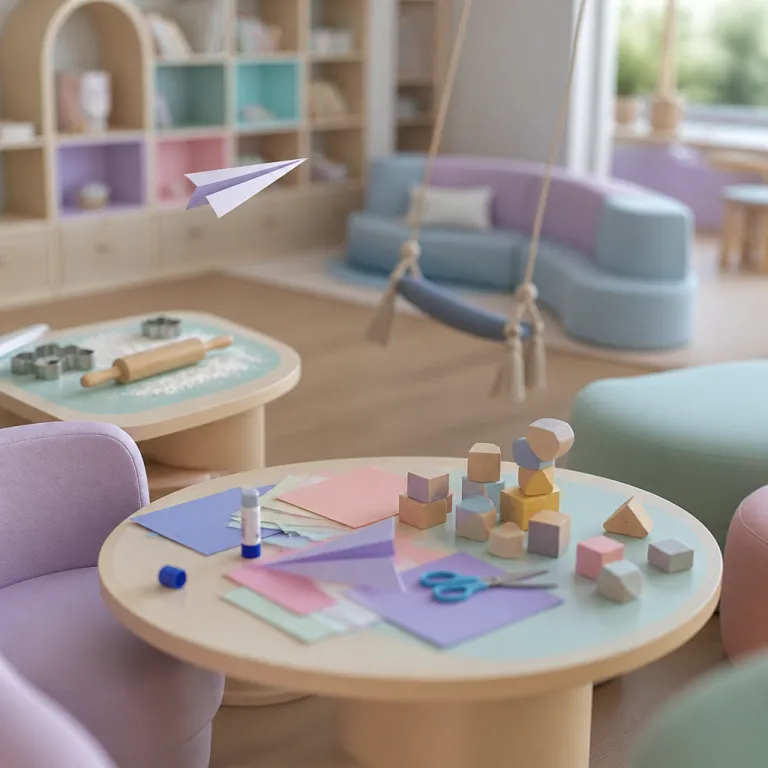
Across leading resorts and city hotels, kids clubs have become creative hubs where design, education and play intersect for children aged from toddlers to early teens. Industry data shows that the percentage of families seeking educational travel experiences has reached 65 %, and design forward properties are responding with structured day programs that feel closer to curated camps than improvised playrooms. Hotels integrating STEAM activities for children are no longer outliers ; they are setting the standard for what the best family friendly club environments should offer.
One verified insight captures this shift clearly ; “Activities combining science, technology, engineering, art, and math to engage children.” Families now expect these STEAM elements to sit alongside classic arts and crafts, outdoor games and pool time, especially at high end resorts that promise vip perks and elevated amenities. When you read a review of a supposed family resort, look for evidence of thoughtful programming for different children ages, not just a vague mention of a kids club hidden near the gym.
What a credible kids' club looks like in a design forward hotel
In a serious hotel kids club luxury setting, the first signal is staffing, because qualifications matter more than themed wallpaper. Ask whether the club kids team includes early childhood educators, language qualified counselors and lifeguards, and whether ratios adjust for younger children aged three to five compared with older kids. A credible club will also segment spaces and programs by age, so teenagers are not sharing floor space with toddlers playing with soft blocks and basic arts and crafts.
Design forward hotels such as Loews Hotels & Co and members of Design Hotels now treat kids clubs as signature amenities rather than afterthoughts. Loews has leaned into STEAM based Explorers Kids concepts, while many Design Hotels properties integrate local artisans into children’s workshops that reflect the neighbourhood rather than a generic resort theme. These programs often run throughout the day in seasons of peak family travel, with shorter shoulder season schedules that still respect families who avoid school holiday crowds.
When you compare options for families, look beyond the headline offers and inspect the fine print of each program. A strong kids club will publish clear information on children ages accepted, opening hours, courtesy services such as snacks or sunscreen, and any vip perks for repeat families or suite guests. If a property claims to be one of the best family resorts near you yet cannot answer basic questions about safety protocols, staff training or how they handle walt disney inspired screen time, it fails the parent test and you should book elsewhere.
For parents travelling with pets as well as kids, it is worth pairing your search for a family hotel near you with a refined guide to choosing a pet hotel so that every member of the family is genuinely considered. The most thoughtful resorts understand that modern families are complex ecosystems, and they design both kids clubs and supporting amenities to reflect that reality. When a hotel’s courtesy extends from children to animals, it usually signals a culture that takes hospitality seriously at every level.
Nature immersion and marine life: when the destination leads the play
The most compelling hotel kids club luxury experiences now use the landscape as the classroom, especially in coastal or rural destinations. At a seasons resort on palm beach, for example, the kids seasons team might lead explorers kids on guided walks to observe marine life in tidal pools rather than keeping them indoors with screens. In Costa Rica, a resort spa set in the rainforest can turn a simple trail into a sensory expedition where children aged six to twelve learn to identify bird calls, leaf textures and the rhythm of the forest.
Properties such as One&Only Mandarina on the Pacific coast of Mexico and Blackberry Farm in the foothills of Tennessee show how nature immersion can anchor family programming. At One&Only Mandarina, club kids activities extend into the jungle canopy with supervised climbing, while arts and crafts sessions use natural pigments and found materials instead of plastic trinkets. Blackberry Farm, long respected for its farm to table philosophy, translates that ethos into children’s programs that include gentle animal encounters, garden harvesting and creek exploration that feels both safe and genuinely wild.
Urban resorts are catching up by reframing their relationship with nearby parks, waterfronts and even hotel pools. A city hotel with limited outdoor space can still offer strong kids clubs by partnering with local guides for marine life focused harbour walks or by turning the pool deck into a structured aquatics program rather than chaotic free swim. Families who prioritise calm, design led environments should also read about the most relaxing hotels with pools near you, because a well run aquatic area often works in tandem with the kids club to create a full day rhythm that keeps both children and parents content.
From junior chefs to co creation: culinary and cultural programming
Food has become a powerful lens for hotel kids club luxury programming, moving far beyond pizza making afternoons. At Marbella Club in Spain, one of Europe’s most respected family resorts, the children’s village offers junior chef workshops that take kids from garden to plate, teaching them to harvest herbs, understand seasonality and respect ingredients. These culinary programs often sit alongside arts and crafts sessions that draw on local ceramics, textiles or storytelling traditions, turning the club into a microcosm of the destination.
Loews Hotels & Co has experimented with partnerships that bring child focused food brands into the hotel environment, while still grounding menus in local produce. At some properties, families can book packages that combine vip perks such as priority restaurant reservations with guaranteed spots in kids clubs cooking classes, ensuring that children ages eight and up can participate without last minute disappointment. The best resorts use these programs to encourage co creation, inviting parents to join for a final tasting or shared meal rather than treating the club as a sealed off zone.
Even in classic luxury settings such as The Ritz Carlton or The Shore Club on Long Island, culinary programming is evolving to reflect a more relaxed, family centric approach. A thoughtful hotel might offer a day where kids design their own mocktail menu by the beach bar, while parents attend a wine tasting nearby, before everyone reunites for a sunset barbecue. When you read a review of a family friendly resort spa or city hotel, pay attention to whether the property offers these layered experiences that respect both adult palates and children’s curiosity, because that balance is the real mark of contemporary family luxury.
The parent test: how to choose, when to skip and why address matters
Choosing a hotel kids club luxury experience near you starts with a simple mindset shift ; you are not just booking a room, you are booking a daily rhythm for your family. Before you commit, ask for a detailed schedule of the day program, including how many sessions run outdoors, how often screens appear and how the club adapts to different seasons. A serious property will share this information with courtesy and clarity, while a weaker one will hide behind vague promises and stock photos of smiling kids.
There are moments when the smartest move is to skip the kids club entirely and let the hotel’s design do the work. Some urban resorts weave play into circulation spaces with climbing friendly staircases, interactive light installations and libraries curated for children aged from early readers to teens, making formal clubs less necessary. In these cases, families can still enjoy perks such as late checkout, family sized amenities and thoughtful restaurant layouts without feeling obliged to enrol their children in structured programs.
Address still matters, especially for families who want to step outside and feel the neighbourhood immediately. A property on Palm Beach or near a Walt Disney resort may offer endless activities, but if every outing requires a shuttle, the day can start to feel like logistics rather than leisure. For parents interested in quieter, design led stays, the argument for understated, well located properties is explored in depth in this piece on the case for quiet luxury hotels, and much of that logic applies to families too.
When you compare hotels, consider how the kids clubs, pools, beach access and surrounding streets will shape your family’s movements from morning to night. The best resorts and city hotels make it easy to shift between together time and independent play, with kids clubs that feel like an upgrade rather than a compromise. In that sense, the modern family club is not just a service ; it is a signal that the hotel understands how families really travel now.
FAQ
What are STEAM activities in hotel kids' clubs ?
STEAM activities in hotel kids clubs are structured sessions that combine science, technology, engineering, art and mathematics in age appropriate ways. Hotels use them to turn playtime into hands on learning, from simple coding games to building projects and creative experiments. These programs are now common in design forward resorts that want to offer more than passive entertainment for children.
How can I tell if a kids' club is genuinely family friendly ?
A genuinely family friendly kids club publishes clear information about staff qualifications, safety protocols and age segmentation. You should see detailed schedules, transparent policies on screen time and a mix of indoor and outdoor activities that reflect the destination. If a hotel cannot answer specific questions about children aged in different groups or seems vague about supervision, it is wise to reconsider your booking.
Are these advanced kids' programs available only in beach resorts ?
While many nature immersion and marine life focused programs are based in beach or countryside resorts, urban hotels are rapidly adopting similar standards. City properties now partner with museums, science centres and local artisans to bring cultural and educational content into their kids clubs. The result is that families can find sophisticated programming in both resorts and centrally located hotels near major attractions.
Do design forward hotels charge extra for kids' club access ?
Pricing varies widely, even among design forward properties that position themselves as the best options for families. Some resorts include core kids club sessions in the room rate as part of their amenities, while charging extra for premium workshops or evening programs. When you book, always ask for a full breakdown of what the program offers and which elements incur additional fees.
Are these family programs available globally or only in certain regions ?
Design forward family programming has become a global trend, with hotels in North America, Europe, Asia and destinations such as Costa Rica all investing in kids clubs. Many large brands roll out similar concepts across multiple resorts, while independent properties adapt ideas to local culture. This means families can now expect thoughtful children’s programming in a wide range of locations, not just at a few flagship resorts.