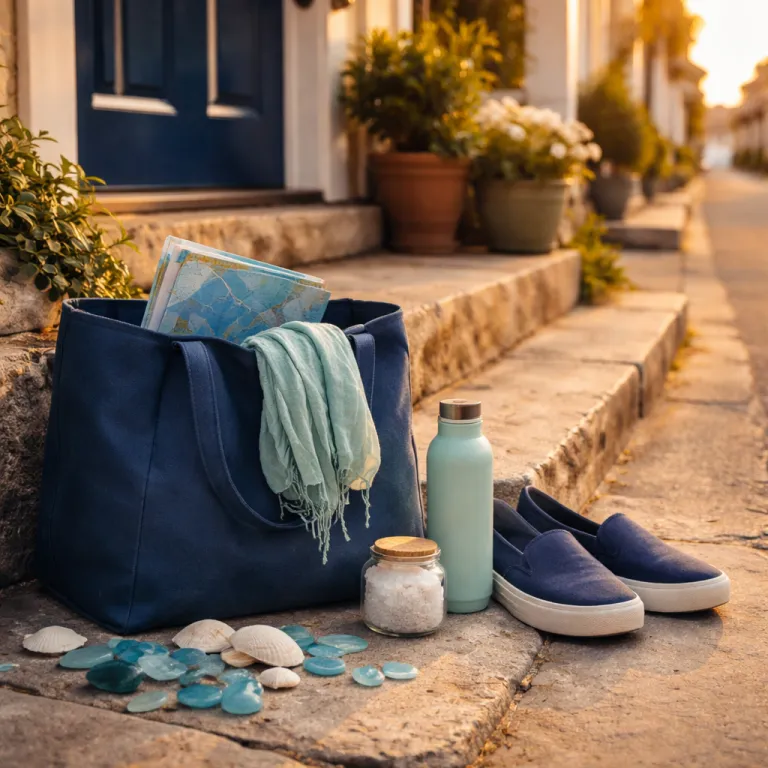
The five minute walk test for a true walkable luxury hotel
A genuine walkable luxury hotel starts with one simple rule. Within a five minute walk you should reach a café, a small market, a patch of green, a cultural space and a bar where you would actually linger. This five minute radius tells you more about the hotel than any glossy photo of rooms or an oversized outdoor pool ever will.
When a hotel is located on a central street with real life at the doorstep, staying there turns every errand into a small adventure. You should be able to leave your room, cross one or two streets and be in front of a gallery, a park bench or a neighbourhood coffee counter without checking your phone. That is what separates hotels that are simply located miles from the sights from those that are within true walking distance of the city’s daily rhythm.
Before you book any luxury hotel, open a map and trace that five minute walk in every direction. Count how many restaurants, shops, markets and cultural venues sit within that circle, and note whether the streets look pleasant for walking or dominated by traffic. A property can be technically located miles from a landmark yet still pass the test if the immediate distance nearby is dense with restaurants, shopping streets and small parks that make every easy walk feel purposeful.
Data from urban travel studies and walkability tools such as Walk Score indicate that the average walk score for high end hotels in lively districts now hovers around the mid eighties. For example, Walk Score reports that central neighbourhoods such as Barcelona’s Eixample, New York’s Greenwich Village and Paris’s Le Marais typically rate between 95 and 100, while luxury hotels in business parks or airport zones often sit below 60. In Eixample, properties like Monument Hotel or Alma Barcelona place guests within a few minutes’ walk of Passeig de Gràcia, cafés and small parks; in Greenwich Village, boutique hotels near Washington Square Park offer similar access to restaurants and live music; in Le Marais, intimate addresses around Rue Vieille-du-Temple put galleries, wine bars and bakeries on your doorstep. That contrast reflects a shift where a walkable neighbourhood is no longer a bonus but part of the core luxury offer, summed up by one clear definition: “A high-end hotel located in an area where guests can easily walk to nearby attractions and amenities.”
Look closely at how the hotel describes its guest rooms and shared spaces, because language reveals priorities. When the first selling points are the lobby bar, the outdoor pool and the size of the hotel rooms, you are likely in a resort mindset rather than a walk first address. When the hotel offers walking maps, neighbourhood tips and mentions that the best restaurants and shops are a minute walk away, you are closer to the kind of place based luxury that rewards solo explorers with a city you can step into rather than just look at from the window.
Reading the neighbourhood: beyond “near city centre” claims
Many hotels describe themselves as central, yet central for a solo traveller means more than a short taxi ride. You want a hotel located on a street where you feel comfortable walking back after live music, late dining or an unplanned detour through side alleys. The best luxury addresses understand that walking at different hours is part of the experience, not a gap to be filled by cars.
Start by checking satellite and street level images around any hotel you are considering. Look for pavements that are wide enough for relaxed walking, visible crossings on main streets and a mix of residential buildings, restaurants and shops that signal a lived in district. If the hotel is located miles from this kind of texture and surrounded mainly by parking lots, you will spend more time arranging rides than enjoying an easy walk to dinner.
Solo explorers should also scan for small parks, riverside paths or waterfront promenades within walking distance of the hotel. In cities like Copenhagen, Vancouver or Lisbon, a five to ten minute stroll from a central hotel can place you on a harbourfront promenade or beside a canal path that feels safe and lively throughout the day. These spaces become your morning running route, your outdoor lounge furniture when you need a quiet hour and your reset point between museums and restaurants. A property that passes the five minute walk test for coffee, culture and green space will usually also excel at giving you options within a ten to fifteen minute walk.
Pay attention to how the hotel talks about breakfast and evening options, because this reveals how much they expect you to stay inside. A breakfast hotel that highlights breakfast served in a bright dining room but also lists several restaurants, shopping streets and wine bars within a short walk is signalling confidence in its neighbourhood. By contrast, when every meal is framed as breakfast free with your room and dinner in the same dining located on site, you may be in a self contained bubble.
If you travel with a dog or plan longer stays, cross check walkability with pet friendly and kitchenette options using an elegant pet friendly hotels guide that focuses on relaxed family stays. Properties that welcome pets and encourage walking routes to nearby parks often have a more thoughtful approach to the streets around them. They understand that the best amenity is not only the pool or the bar but the ability to step outside and feel the neighbourhood greet you before the concierge does.
The four maps to check before you book a walkable base
To judge whether a hotel truly functions as a walkable luxury base, you need more than a single map view. Start with a standard map to understand how many kilometres or miles separate the property from the main cultural districts, then layer in walking directions to see realistic minute by minute routes. This combination shows whether the hotel is simply located miles from the centre or genuinely stitched into the urban fabric.
Next, switch to a dedicated walking map or app that highlights pedestrian paths, stairways and car free streets. In many European and Asian cities, these shortcuts turn what looks like a long distance nearby into an easy walk that feels safe and engaging. A hotel that appears far on a driving map may in fact be a ten minute walk along a riverfront or through a historic quarter lined with restaurants and shops.
The third map worth checking is a transit map, even if you plan to walk most of the time. A station within a short walking distance from the lobby effectively extends your reach without sacrificing the pleasure of staying in a central, human scale neighbourhood. When a hotel offers clear directions to that station and suggests specific lines for museums, markets and fine dining districts, you know they have thought about your movements beyond the room.
Finally, use a satellite or terrain view to understand elevation, shade and the presence of trees along your likely routes. Walking in a flat grid of leafy streets feels very different from climbing steep hills under direct sun, even if the measured distance nearby is identical. For solo travellers, this level of detail can turn a theoretical walkable luxury hotel into a practical, comfortable base for long days on foot.
Once you have confirmed the maps, revisit the property details with a sharper eye. Look at how many guest rooms face the street versus an inner courtyard, and whether higher hotel rooms offer views that orient you to landmarks you will walk toward. If you plan to self cater occasionally, consider cross referencing with an elegant guide to hotels with a kitchenette near you, because having a small kitchen in a walkable area lets you turn local markets into part of your daily rhythm.
Inside the property: rooms that wake you up with the neighbourhood
Walkability does not stop at the front door, because the best luxury hotels frame the city from the moment you wake. When you open the curtains, you should see a real street, a square or a skyline that hints at where your first walk will lead. Rooms that face only an internal courtyard or a highway slip road rarely inspire the same sense of place.
When choosing between hotel rooms, prioritise those with large windows, good soundproofing and an orientation toward active streets or parks. This combination lets you feel the neighbourhood’s pulse without sacrificing the quiet you need after a late night of live music or fine dining. Ask whether specific guest rooms are a minute walk from secondary lifts or side exits, because these small details can make your first coffee run feel more like stepping out of an apartment than a resort.
Public spaces matter just as much as the room, especially for solo explorers who enjoy people watching between walks. Look for a lobby bar with comfortable lounge furniture, natural light and views onto the street rather than inward facing décor. When breakfast is served in a room with windows onto passing pedestrians, your first meal becomes a small lesson in local life rather than a generic buffet.
Many luxury properties now design outdoor areas as extensions of the neighbourhood rather than sealed off retreats. An outdoor pool with a view of rooftops or a nearby park feels more connected than a pool hidden behind high walls, even if both offer similar comfort. Terraces where breakfast is served or drinks are poured at sunset can double as informal observation decks for planning your next walking route.
Some chains, such as Sonesta in certain urban locations, have started to highlight walking distance to galleries, restaurants and shopping streets alongside traditional amenities like an outdoor pool or a late night bar. This shift reflects a broader move toward place based luxury, where the hotel offers not only comfort but also a clear invitation to walk. When you read that the hotel offers curated neighbourhood walks or partners with local guides, you are seeing this philosophy in action.
A sample solo walking itinerary built around a central stay
Imagine you have checked into a family owned luxury hotel on a quiet but central street. Your room is on a mid level floor, with guest rooms facing a tree lined avenue and a small square where locals gather. You drop your bag, note the comfortable lounge furniture in the lobby and head straight out for a first exploratory walk.
Within a three minute walk you reach a corner café where breakfast is served to a mix of residents and travellers, and you make a mental note to return even if your rate includes breakfast free in the hotel dining room. From there, you follow a side street toward a covered market that sits a short walking distance from the hotel, where stalls sell fruit, cheese and simple lunches. This becomes your daily ritual, turning the neighbourhood into an extension of your room rather than a backdrop.
After lunch, you walk ten minutes to a small museum located miles from the main tourist drag but perfectly placed for those staying in this district. On the way back you pass several restaurants and shops that you mark for later, including a wine bar with live music on weekends and a narrow alley lined with casual dining located between two historic buildings. The easy walk back to the hotel at dusk confirms that you chose the right base for a solo stay.
Evenings unfold without the need for taxis, because fine dining, relaxed bars and informal restaurants shopping streets all sit within a comfortable radius. One night you choose a restaurant where the hotel offers a small guest discount, another you follow your own instincts down a side street that looked promising from your window. Each time, the distance nearby is short enough that you can return to your room on foot, even after a late dessert or an extra glass of wine.
On your final morning, you swim a few laps in the outdoor pool, then sit by the bar with a coffee while planning one last circuit using a guide to elegant hotels with vibrant bars and social spaces as inspiration for your next trip. You realise that what made this stay memorable was not only the quality of the room or the efficiency of the staff, but the way the address did the work every time you stepped outside. For a solo explorer, that is the essence of a walkable luxury hotel: a place where walking is not an afterthought but the main amenity.
FAQ
What defines a walkable luxury hotel for solo travellers ?
A walkable luxury hotel for solo travellers combines high end comfort with a location that allows you to reach cafés, markets, parks, cultural venues and bars within a few minutes on foot. The property should be in a central or well connected neighbourhood with safe pavements, clear crossings and a mix of residential life and visitor friendly services. When you can plan most of your days around walking distance rather than car rides, you have found the right kind of address.
Why choose a walkable luxury hotel instead of a resort style property ?
Choosing a walkable luxury hotel reduces your reliance on taxis and public transport while increasing your contact with the local culture. You spend more time in streets, markets and small venues, which often leads to more authentic encounters and a stronger sense of place. For solo travellers, this also adds flexibility, because you can change plans easily without negotiating long transfers.
How can I check if a hotel is truly within walking distance of key sights ?
Use online maps to measure the distance in kilometres between the hotel and the places you care about, then switch to walking directions to see realistic times. Cross check with satellite or street level images to confirm that pavements are continuous and the streets feel comfortable for pedestrians. Reviews that mention specific cafés, parks or museums within a short walk are usually more reliable than vague claims of being “near everything”.
Are walkable luxury hotels only found in historic city centres ?
Walkable luxury hotels exist in many types of neighbourhoods, including regenerated waterfronts, cultural districts and even some suburban hubs. The key is not the label of the area but the density of amenities and the quality of the walking routes around the property. In car dominated cities, a hotel next to a transit hub or a pedestrianised zone can still offer an excellent walking base.
What amenities matter most inside a walkable luxury hotel ?
Inside a walkable luxury hotel, look for comfortable rooms with good soundproofing, natural light and views that help you orient yourself in the city. Public spaces such as a lobby bar with street views, an outdoor pool or terrace and thoughtful breakfast service make it easier to transition between time outside and time inside. Extras like walking maps, neighbourhood recommendations and flexible check in or check out times further enhance the experience for solo explorers.