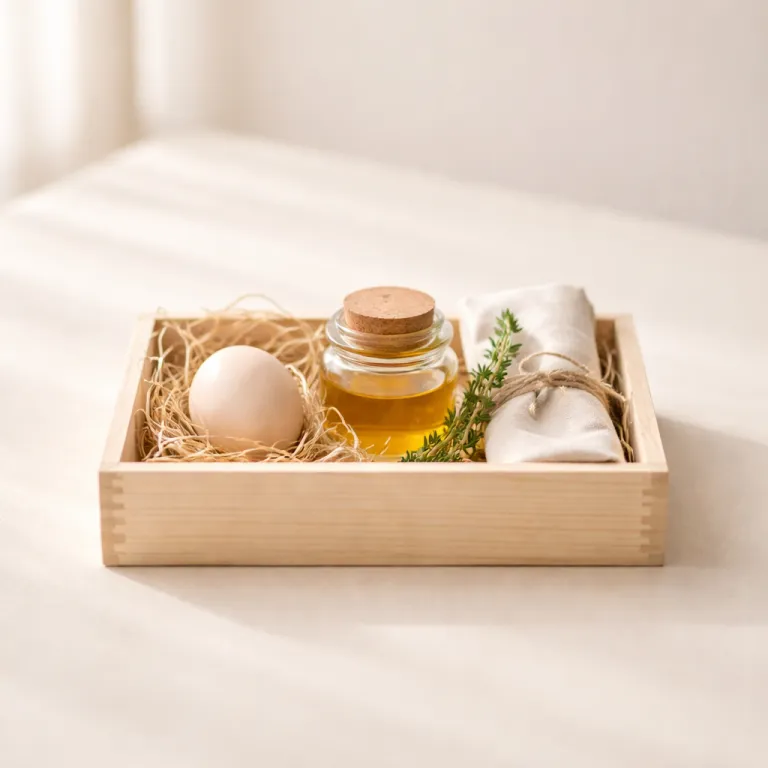
How a true farm to table hotel rewrites the idea of “near me”
A genuine farm to table hotel does more than serve local food. It turns the surrounding farm landscape into part of your stay, so every course quietly maps the fields, rivers and producers around your room. For couples planning travel, that means the nearest property is not just the closest resort, but the one where the dining room tells you exactly which farm, orchard or organic farm you are tasting that night.
Across the United States, only a minority of hotels currently offer serious farm table programs, yet bookings for these experiences are rising quickly as guests seek fresh ingredients with a story rather than generic menus. Industry data shows that the percentage of U.S. hotels offering farm to table dining remains relatively modest, while the increase in farm to table hotel bookings has grown significantly, which underlines how couples now treat dinner as a primary experience rather than a side amenity. When you book stay options, focus on properties where the chef names growers, fishers and foragers on the seasonal menu, because that level of detail usually signals real relationships rather than marketing language.
Look for hotels that integrate on site gardens, nearby farm partnerships and clear seasonal menu changes, since these methods indicate that the main content of the kitchen is driven by what the land can actually provide. Bodhi Farms in Montana, for example, operates as an eco resort on more than 14 hectares, pairing rooms suites with a working farm and open air restaurant that shifts its menu with the harvest. Seminary Hill in New York’s Catskills combines an orchard, cidery and restaurant with a small inn, so your food and cocktails are literally framed by the view of the trees that produced the cider in your glass.
Reading the menu: spotting real provenance versus marketing phrases
When you sit down in a restaurant at a farm to table hotel, the first test is how specifically the menu talks about ingredients. A serious chef will list the name of the farm, the river or the cheesemaker, while a vague promise of “local and seasonal” without details often signals a missed opportunity. For couples who care about provenance, the menu becomes a quiet contract between your room key and the surrounding landscape.
Real provenance reads like a map, with dishes that might reference a nearby rio grande style valley, a hillside organic farm or a coastal fishing ground, and each of these references should be consistent across the courses and the wine or cocktails list. By contrast, three phrases usually signal marketing rather than substance ; “farm inspired”, “chef curated” and “locally influenced” often appear without any mention of who actually grew or raised the food. When you evaluate best hotels for food led travel, prioritize those where the chef or sommelier can talk fluently about specific producers, not just broad regions.
Some of the most convincing programs operate almost like open kitchens for sourcing, with farm shop spaces where you can buy the same cheese, bread or preserves you tasted at breakfast. At Kelly Way Gardens in Vermont, the garden team supplies the Woodstock Inn with vegetables, herbs and flowers, and the dining room staff can explain exactly which beds produced your salad that morning. If you value a generous breakfast as part of the experience, pair this scrutiny with guides to free breakfast hotels near you, using resources such as this overview of comfort focused breakfast stays to balance provenance with value.
From hotel garden to plate: when the farm is real programming
Many properties now advertise a farm or kitchen garden, yet not all of these plots genuinely drive the table philosophy of the restaurant. A true working farm will supply a meaningful share of the ingredients, shape the seasonal menu and offer guests structured experiences such as tours, tastings or harvest workshops. When the garden is only a photo backdrop, you will usually notice that the food narrative in the dining room feels disconnected from what you saw outside.
At Bodhi Farms, the eco resort model means the farm is central to the guest experience, with outdoor saunas, riverside yurts and a restaurant that leans heavily on what the land produces at any given moment. Seminary Hill follows a similar logic, where the orchard and cidery are not side attractions but the backbone of the restaurant’s food and cider pairings, so couples can trace each glass back to a specific hillside. These properties show how a farm to table hotel can turn agricultural activity into a calm, romantic rhythm that shapes your entire stay rather than a single dinner.
When you assess hotels near you, ask how often the chef walks the fields, whether the farm team and kitchen team share daily briefings, and if guests can join any of these experiences. Some hotels, such as certain Red Lion properties with strong dining programs, focus more on regional comfort food and events than on on site agriculture, which can still be appealing if you want reliable restaurant and bar options. For couples who prioritise ingredient storytelling above all, however, the best choice is usually a property where the farm, the dining room and the bar operate as one continuous narrative rather than separate departments.
Los Poblanos and the rise of ingredient storytelling in rooms and restaurants
Los Poblanos Historic Inn and Organic Farm in New Mexico has become a reference point for couples seeking a farm to table hotel where every detail, from the rooms suites to the cocktails, reflects the surrounding landscape. Set near the rio grande, this resort weaves lavender fields, historic architecture and a working organic farm into a single, quietly luxurious experience. The restaurant, Campo, is led by chef Jonathan Perno, often referred to simply as chef Jonathan, whose table philosophy centres on naming the farmers, ranchers and millers behind each plate.
In the dining room at Los Poblanos, the seasonal menu might highlight blue corn from a specific mill, goat cheese from a nearby producer and chile grown on the property, and each of these ingredients is introduced as part of a wider story about New Mexico. The bar echoes this approach, with cocktails built around house distilled spirits, garden herbs and fruit from the farm shop, so your drink becomes another chapter in the same narrative. For couples staying in a farm to table hotel, this kind of ingredient storytelling turns dinner into a second map of the destination, one that complements the physical map in your room.
The architecture at Los Poblanos also plays a role in this sense of place, with historic buildings linked to architect John Gaw Meem, sometimes affectionately referenced as John Gaw or even Gaw Meem in local lore, anchoring the property in regional design history. These structures, designed Mexico Pueblo Revival style, frame views of the fields and the distant mountains, so you always feel the farm just beyond the walls. When you compare best hotels for food focused travel, Los Poblanos stands out because the farm, the restaurant and the rooms are inseparable, creating one of the most coherent farm table experiences in the region.
Building a couple’s itinerary around dinner, not just the room key
For couples choosing a farm to table hotel near them, the most rewarding itineraries start with the restaurant and work outward. Instead of asking only about spa hours or pool size, begin with questions about the chef, the producers, the wine list and any collaborations with Indigenous or local communities. That approach aligns with a wider shift in hospitality, where the pivot is from novelty to intentional, meaningful dining, and where sustainability has become a baseline expectation rather than a marketing hook.
Plan one evening around a long tasting menu that traces the surrounding farms, rivers and coastlines, and another around a more casual meal that lets you explore the bar, the lounge and any outdoor firepits or terraces. Use the hotel’s farm shop, if it has one, to assemble a picnic with cheese, bread and preserves from the same producers you met on the plate, then take it to a quiet corner of the grounds or a nearby viewpoint. When you research where to book stay options, tools such as this guide to reading a luxury hotel before you reserve can help you decode whether the food narrative is as strong as the design photography.
Wine and spirits are evolving alongside food, with more hotels offering local pairings that highlight small wineries, regional distilleries and low intervention producers rather than only international labels. Plant based dishes now appear as default options on many seasonal menus, not as afterthoughts, which suits couples who want lighter courses without sacrificing flavour or a sense of place. As you weigh different experiences, remember that the best farm to table hotel for you is the one where stepping out of your room feels like stepping into the same story you tasted at dinner the night before.
FAQ
What is a farm to table hotel ?
A farm to table hotel is a property where the restaurant and bar focus on meals prepared with locally sourced ingredients, often including produce, herbs or meat from an on site farm or nearby partner farms. These hotels usually design a seasonal menu that changes with the harvest rather than relying on static dishes. The goal is to connect guests directly with the surrounding landscape through food, drink and related experiences.
Why choose a farm to table hotel for a romantic stay ?
Couples often choose a farm to table hotel because the dining experience feels more intimate, intentional and rooted in the destination. Shared activities such as garden tours, tastings or cooking classes can turn a simple dinner into a memorable part of the trip. Many of these properties also emphasise calm settings, strong views and thoughtful rooms suites, which together create a quietly luxurious atmosphere.
Are farm to table hotels always more expensive than other options ?
Prices at farm to table hotels vary widely, and some are comparable to other upscale properties in the same region. Costs can be higher when the hotel invests heavily in sustainable practices, organic farming and small scale producers, because those ingredients and operations are more expensive to maintain. For value, look for packages that include breakfast or multi course dinners, and compare them with similar best hotels nearby.
How can I tell if a hotel’s farm program is genuine ?
A genuine program will usually name specific farms, rivers or producers on the menu and offer at least some structured experiences such as tours, tastings or workshops. Staff in the dining room should be able to explain where key ingredients come from and how the seasonal menu changes throughout the year. If the garden appears only in marketing photos and not in the food narrative, the farm element may be more symbolic than substantial.
Do farm to table hotels cater well to plant based or special diets ?
Many farm to table hotels are well positioned to serve plant based guests, because their kitchens already work closely with vegetable growers and design menus around produce. When you book stay options, ask in advance about vegan or gluten free choices and whether the chef can adapt the tasting menu. Properties that treat vegetables as central ingredients rather than side dishes usually offer the most satisfying options for special diets.