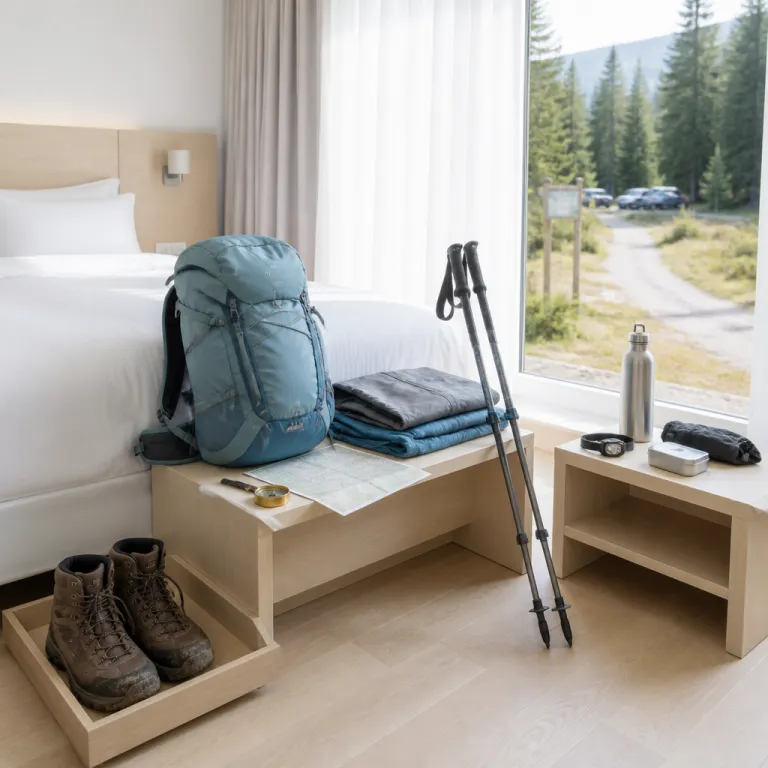
The rise of the hotel at the trailhead
The new luxury for hikers is not marble lobbies but a hotel that sits within a short distance of real hiking trails. Serious walkers now search for an adventure hotel near hiking trail access rather than a downtown address, because they want to step from guest room to trailhead without burning daylight in the car. In the United States this shift is clearest in mountain regions where a stay near a national park or protected mountain range has become the default choice for anyone planning multiple hikes.
Think of it as basecamp luxury, where the property behaves like a refined lodge but without the heavy timber clichés and dim interiors. These hotels and resorts position themselves beside national park entrances, lakeside paths, and miles of trails so that guests can check a sunrise hike off the bucket list before breakfast, then return to proper coffee and high thread count sheets. The best examples sit near high peaks or a quiet lake, giving you a perfect place to reset between outdoor activities while still feeling the pull of the mountains outside your window.
In the Rockies, for instance, the cluster of places to stay around Lake Louise shows how far this concept has evolved. You can choose a classic lodge style hotel, a polished resort spa, or a discreet resort destination, yet all keep you within minutes of some of the best hiking in the region. The same pattern repeats across the United States in high mountain towns, where staying near the trailhead is now considered the best move for hikers who value time on the trails more than time in the car.
What hikers really need from an adventure-focused stay
For a solo explorer planning a hike heavy trip, the right hotel near the mountains is less about chandeliers and more about function. You want a guest room with space to lay out gear, a place to dry boots after long hikes, and staff who understand why you are asking for breakfast before sunrise. A true adventure hotel near hiking trail networks will also offer secure storage for poles and packs, plus a lobby layout that makes it easy for guests to move between lodge comfort and trail readiness.
Look for properties that publish first light breakfast times, provide trail maps for nearby hiking trails, and maintain a small library of route notes for different levels of hike. The best hotels and resorts near a national park often keep a running conditions board, noting which trails are clear, where the high peaks still hold snow, and which areas are best for spotting local flora and fauna during your stay. When you check in, ask directly about current hikes worth prioritising, and you will quickly sense whether the team lives and breathes the surrounding mountains or simply sells the view.
Recovery matters as much as the climb, so pay attention to wellness details when choosing places to stay close to the park. A resort spa with cold plunge, sauna, and massage can turn a demanding day of hiking into a sustainable multi day rhythm, especially if you are tackling miles of trails in a single trip. In some mountain range destinations in the United States, the best lodge style properties now integrate stretching zones, nutrition conscious menus, and even guided breathwork so that guests can keep returning to the trails feeling genuinely restored.
From rustic lodge to refined basecamp
The classic mountain lodge once meant heavy log beams, animal heads on the wall, and a dining room that closed before hikers finished their second hike of the day. Today, the most interesting adventure hotel near hiking trail hubs has moved beyond that template while keeping a strong connection to the mountains outside. Designers borrow the warmth of a lodge but pair it with clean lines, lighter materials, and guest rooms that feel like calm basecamps rather than themed cabins.
In the United States and Canada, you see this clearly around Lake Louise, where properties like Fairmont Chateau Lake Louise and the nearby Chateau Lake Louise area hotels balance resort scale with trail focused services. You can spend the day on some of the best hiking routes in the national park, then return to a resort spa, a quiet lake view, and a high quality dinner that respects how hungry guests feel after serious outdoor activities. These resorts have learned that staying close to the hiking trails is only half the equation, because hikers also want refined spaces that do not feel like generic resorts once they step inside.
Even global brands have adapted, with certain Hyatt resorts in mountain range locations positioning themselves as a resort destination for hikers first and business travellers second. These hotels keep the lobby relaxed, the bar stocked with local beer, and the concierge trained to talk about hikes, fly fishing spots, and the best lake circuits rather than only restaurant reservations. When you check options, look for properties that mention trail access, gear friendly facilities, and proximity measured in minutes or miles of trails, not just driving distance from the nearest mall.
Programming that turns a hotel into a true trailhead base
The most compelling adventure hotel near hiking trail systems does more than hand you a photocopied map at check in. These properties curate daily and weekly programming that treats the surrounding park and mountains as an extension of the hotel, with guided hikes, night sky walks, and wildlife tracking sessions that start right from the lobby doors. For solo guests this transforms a simple stay into a structured yet flexible way to explore new hikes without feeling lost in an unfamiliar national park.
In mountain regions of the United States, some resorts now offer dawn hikes to nearby high peaks, timed so that guests reach a ridge or lake just as the first light hits the mountains. Others organise fly fishing lessons on rivers within a short distance of the property, or multi day hiking itineraries that loop through different valleys while you keep returning to the same guest room each night. This basecamp approach lets you tackle a personal bucket list of trails and outdoor activities while still enjoying the continuity of one familiar lodge style home base.
When evaluating places to stay, ask whether the hotel works with certified mountain guides or national park rangers for its programming. Properties near Lake Louise and other major resort destinations often partner with local experts who understand both the flora and fauna and the seasonal risks on the hiking trails. If you want more guidance on how to choose the ideal hotel and restaurant near your next trail town, the detailed criteria on this refined stay guide can be adapted easily to a mountain context.
The drive market: staying close to the summit, not the city
For many hikers in the United States, the perfect place is no longer a city centre hotel but a mountain lodge or resort within an easy drive of home. The rise of the adventure hotel near hiking trail model fits this drive market perfectly, because travellers can leave after work, arrive at a resort destination by late evening, and be on the trails at high elevation by sunrise. Instead of spending a weekend in traffic between a downtown hotel and a distant national park, guests now prioritise staying where the mountains start.
This shift is especially visible around major national park gateways and iconic lakes such as Lake Louise, where resorts cluster along the edge of the park rather than in nearby towns. Properties like Fairmont Chateau Lake Louise and other hotels in the Chateau Lake area allow guests to park the car once, then spend the rest of the stay on foot, moving between lake circuits, forest hikes, and high peaks without long transfers. For many solo explorers this proximity is the real luxury, because it turns a two day weekend into almost two full days of hiking and other outdoor activities.
When you check options for places to stay near a mountain range, pay attention to the actual distance from the nearest trailhead, not just the marketing language. A hotel that sits within a short distance of several trail junctions, a calm lake, and a small cluster of restaurants will feel very different from a resort that requires a long shuttle ride before every hike. Over time, the best hotels and resorts will be the ones that treat their address as a functional trailhead, giving guests a seamless rhythm of hiking, resting, and staying deeply connected to the surrounding park landscape.
How to choose your own trailhead hotel
When you start planning a stay at an adventure hotel near hiking trail networks, begin with the map, not the marketing photos. Identify the national park or mountain range you want to explore, then look for hotels, lodges, and resorts that sit within a few kilometres of multiple trailheads and a reliable lake or river. In the United States this often means scanning the edges of protected areas, where places to stay cluster just outside park boundaries but still feel immersed in the mountains.
Next, read the fine print about facilities, because the best hiking focused properties are explicit about what they offer. You want early breakfast times, flexible check out for guests returning from long hikes, and clear information about gear storage, drying rooms, and any resort spa or wellness amenities that support recovery. If a hotel near Lake Louise or another major resort destination talks more about conference space than hiking trails, it may not be the trailhead base you are seeking.
Finally, match the style of the property to the way you like to hike and stay. A full service resort with a spa, multiple restaurants, and a busy bar can be ideal if you want social evenings after days in the high peaks, while a quieter lodge might suit those who prefer to read maps in their guest room and plan the next day in silence. Whatever you choose, the real measure of success is simple ; you should be able to step outside, feel the mountains close, and know that the trailhead is near enough to make every day on your bucket list of hikes feel effortless.
FAQ
What should I prioritise when choosing a hotel near hiking trails ?
Focus first on proximity to multiple trailheads, ideally within a short distance so you can walk or drive only a few minutes before each hike. Then check for practical features such as early breakfast, gear storage, drying space, and staff who can advise on current trail conditions. Finally, make sure the overall style of the hotel or lodge matches how you like to unwind after long hikes, whether that means a quiet guest room or a full resort spa.
Are resort spas worth it for hiking focused trips ?
A resort spa can significantly improve how you feel over several consecutive days of hiking, especially in high mountains where recovery is crucial. Access to saunas, cold plunges, and massage helps reduce fatigue so you can enjoy more miles of trails without burning out. If you plan a demanding itinerary in a national park or mountain range, a spa equipped hotel is often worth the extra cost.
Is it better to stay inside a national park or just outside it ?
Staying inside a national park can offer unmatched access to hiking trails and high peaks, but availability and price can be challenging. Hotels and resorts just outside the park boundary often provide more choice, better value, and easier parking while still keeping you close to the mountains. For many guests, a lodge or resort destination near the main entrance is the best balance between access and comfort.
How many days should I plan for a hiking focused stay ?
For a meaningful experience on the trails, plan at least three nights so you have two full days of hiking without rushing. In major destinations such as Lake Louise or other large mountain ranges, five to seven nights allow you to mix easier lake walks, moderate hikes, and one or two high peak days. The more ambitious your bucket list of routes, the more you will benefit from a longer stay at a well located trailhead hotel.
Do I need a car if I stay at a trailhead focused hotel ?
Many adventure oriented hotels near hiking trails are designed so that guests can walk directly from the property to several routes, reducing the need for a car. However, in some parts of the United States public transport is limited, and a vehicle gives you flexibility to reach more remote trailheads or lakes. If you prefer to avoid driving, look for resorts and lodges that advertise shuttle services to key trailheads within a short distance.