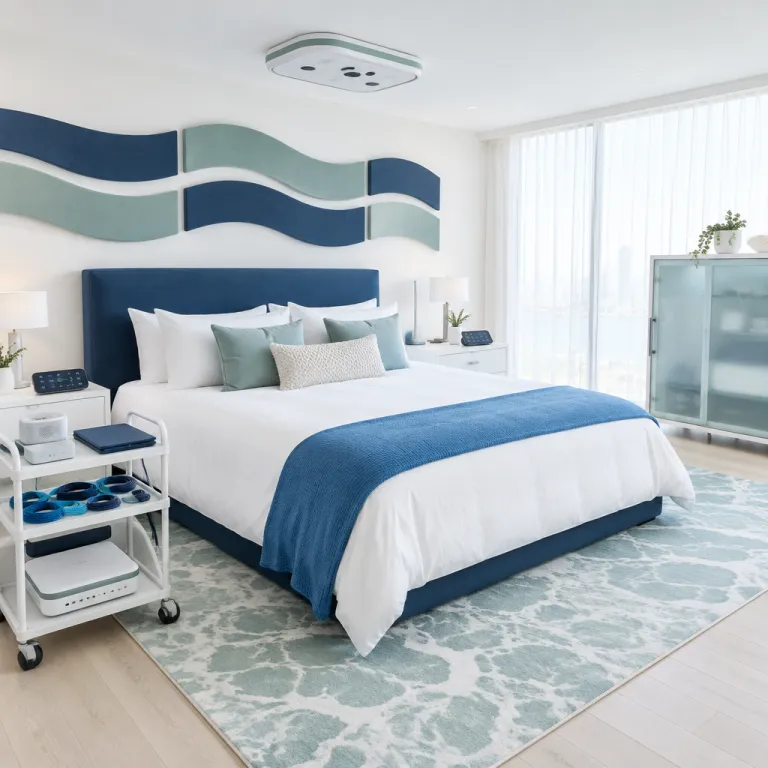
From soft amenity to engineered outcome: what a sleep science hotel really does
Walk into a serious sleep science hotel and the intent is obvious. The entire hospitality concept shifts from pretty décor to a high performance sleep environment designed to help guests achieve measurable recovery after a long night of business travel. You are no longer just booking a hotel room ; you are effectively checking into a compact global sleep lab that happens to have a minibar and a city view.
Sleep engineering starts with evidence based design rather than vague wellness language. Architects and clinicians work together on acoustic insulation, blackout curtains that seal properly, and HVAC systems that keep the room between 18 and 20 °C for better sleep quality and deeper night sleep. The goal is a repeatable sleep experience where circadian rhythms are supported by layered sleep technology instead of disrupted by noise, glare, or the wrong mattress.
Lighting is the next frontier in understanding sleep in hotels. Tunable LEDs shift from high blue enriched tones in the morning to warmer ambers at night, aligning with your natural sleep science profile and reducing the risk of a sleep disorder triggered by late screen time. In the best hotel sleep programs, bedside tablets let guests request chronotype specific settings, so a late meeting or red eye flight does not automatically ruin your recovery window.
Why business and bleisure travelers should care about engineered sleep
For the executive stretching a business trip into leisure, a sleep science hotel is less indulgence and more strategy. You are buying back cognitive performance, emotional stability, and physical recovery rather than just a larger room with a better view. When hotels sleep programs are done well, one carefully managed night sleep can help guests feel as if they have added an extra day to their travel schedule.
Think about the last time jet lag turned a client presentation into a blur. In a property that treats the bedroom as a lab, circadian rhythms are actively managed through light exposure, meal timing, and quiet hours, all tuned to help you sleep better after a long flight. Some hotels now integrate in room sleep technology that tracks heart rate variability and micro awakenings, then adjusts mattress firmness or pillow height to protect sleep quality through the night.
Bleisure travelers also gain something subtler from this evidence based approach. When a hotel uses science to engineer recovery, the spa becomes optional rather than essential, and the real luxury is waking up without a sleep disorder flare or a sleep apnea episode triggered by poor air quality. If you are planning a recovery focused extension to a work trip, pair a serious sleep environment with a carefully chosen wellness agenda by using a resource such as a bleisure wellness trip planning guide that prioritizes rest over endless activities.
Inside the room: how hotels are quietly turning bedrooms into sleep labs
The most advanced hotels now treat each room as a controlled sleep environment rather than a generic box with a bed. At properties like Equinox Hotels in New York, the mattress is specified with athletic recovery in mind, combining pressure relieving foam with cooling layers that help guests maintain an ideal core temperature through the night. These hotels sleep programs often include weighted blankets, body contouring pillows, and blackout curtains that overlap the window frame to eliminate even a sliver of city light.
Sleep technology is moving far beyond a simple tracking ring left on the nightstand. Some rooms integrate under mattress sensors that monitor breathing patterns and can flag potential sleep apnea risks, while others offer optional sleep study style assessments in partnership with medical providers. The best implementations keep the data invisible unless you request a view profile style report the next morning, so the room still feels like a sanctuary rather than a clinical lab.
There is also a quiet revolution in sound and scent. Evidence based acoustic panels, door sweeps, and soft close hardware reduce corridor noise, while low level pink noise machines help many guests achieve better sleep without noticing why the room feels calmer. In parallel, a carefully calibrated scent program avoids heavy fragrances that can trigger a sleep disorder and instead uses barely there notes that support relaxation without overwhelming the senses, a philosophy explored in depth in analyses of how modern retreats now focus on nervous system reset rather than a traditional spa day, as seen in resources like new wave wellness retreat guides.
Beyond the spa: measurable recovery versus pampering
Traditional spa and wellness offerings in hotels have long promised relaxation, but they rarely guaranteed better sleep or next day performance. A genuine sleep science hotel flips that script by treating rest as the primary outcome and massages or facials as optional extras that support the main recovery goal. The focus shifts from scented candles to quantifiable changes in sleep quality, reaction time, and mood after a structured night sleep program.
In this model, hospitality teams work more like a multidisciplinary équipe than a classic front desk. Sleep coaches, nutritionists, and sometimes respiratory therapists collaborate to help guests manage jet lag, mild sleep apnea, or stress related sleep disorder patterns without turning the stay into a medical intervention. The most credible hotels publish their protocols, explain which clinicians designed them, and show how global sleep research shaped everything from mattress selection to minibar contents.
For business travelers, the difference is tangible the morning after. Instead of stumbling into a meeting with a coffee in each hand, you arrive with sharper focus because the hotel sleep program protected your circadian rhythms and minimized overnight awakenings. When you extend a stay into leisure, that same evidence based recovery framework means you can enjoy the city view, local restaurants, or even a private jacuzzi suite chosen via a guide such as how to choose a refined hotel room with a jacuzzi tub near you without sacrificing the high quality sleep that keeps the whole trip sustainable.
How to interrogate sleep claims before you book
Marketing language around hotel sleep can be seductive, so you need a clear checklist before you commit. Start by asking who designed the sleep science program and whether any external clinicians or global sleep institutes were involved in the protocols. If the property cannot explain the science behind its mattress choices, blackout curtains, or circadian rhythms lighting, you are probably looking at décor rather than engineering.
Next, clarify what kind of sleep technology is in the room and how your data is handled. Ask whether any in room sensors or optional sleep study style assessments require consent, how long données are retained, and whether you can simply enjoy the sleep experience without tracking if you prefer. A trustworthy hotel will help guests opt in or out easily and will never make you feel that a good night sleep depends on sharing a detailed view profile of your biometric information.
Finally, probe how the hotel supports guests with existing sleep challenges. If you mention mild sleep apnea, a history of insomnia, or another sleep disorder, the team should be able to explain practical accommodations such as quieter floors, firmer mattress options, or flexible housekeeping schedules that respect your recovery windows. When a property answers these questions with clarity and confidence, you can book knowing that the bedroom really will function as a lab engineered for better sleep rather than just another stylish hotel room.
FAQ
What makes a sleep science hotel different from a regular luxury hotel ?
A sleep science hotel is built around an evidence based approach to rest, using acoustic design, blackout curtains, temperature control, and circadian rhythms lighting to engineer a high quality sleep environment. Regular luxury hotels may offer comfortable beds and spa services, but they rarely integrate sleep technology, clinical input, or structured recovery programs into the core hospitality concept. In a sleep focused property, every design choice is tested against its impact on night sleep and next day performance.
How can I tell if a hotel’s sleep program is more than marketing ?
Ask who created the program, whether any sleep clinics or global sleep research groups were involved, and what metrics they use to evaluate better sleep outcomes. Credible hotels can explain why they chose a specific mattress, how their blackout curtains are engineered, and what kind of optional sleep study tools are available. Vague references to wellness without clear protocols or expert partners usually signal a marketing story rather than true sleep science.
Is sleep tracking in hotels safe for my privacy ?
Responsible hotels make sleep technology strictly opt in and explain exactly what données are collected, how long they are stored, and whether they are anonymized. You should always be able to enjoy the sleep experience without wearing a device or sharing a view profile of your biometric information. If a property cannot answer basic privacy questions, skip the tracking features and treat the room as a well designed but offline sleep environment.
Do sleep focused hotels help with conditions like sleep apnea or insomnia ?
Most sleep science hotels are not medical facilities, but many are designed to help guests with mild sleep apnea or insomnia sleep better through careful control of air quality, noise, and light. Some partner with clinicians who can review existing sleep study results and suggest room preferences or routines that support recovery. If you have a diagnosed sleep disorder, contact the hotel in advance to confirm what specific accommodations they can offer.
Is paying more for a sleep engineered room worth it for business travel ?
For frequent travelers, the ROI of a genuinely restorative night sleep can be significant, especially before high stakes meetings or presentations. A room that protects circadian rhythms, minimizes awakenings, and supports physical recovery often translates into sharper thinking and better decision making the next day. When you factor in reduced reliance on stimulants and a smoother transition back to your home time zone, the premium for a sleep engineered hotel room is often justified.