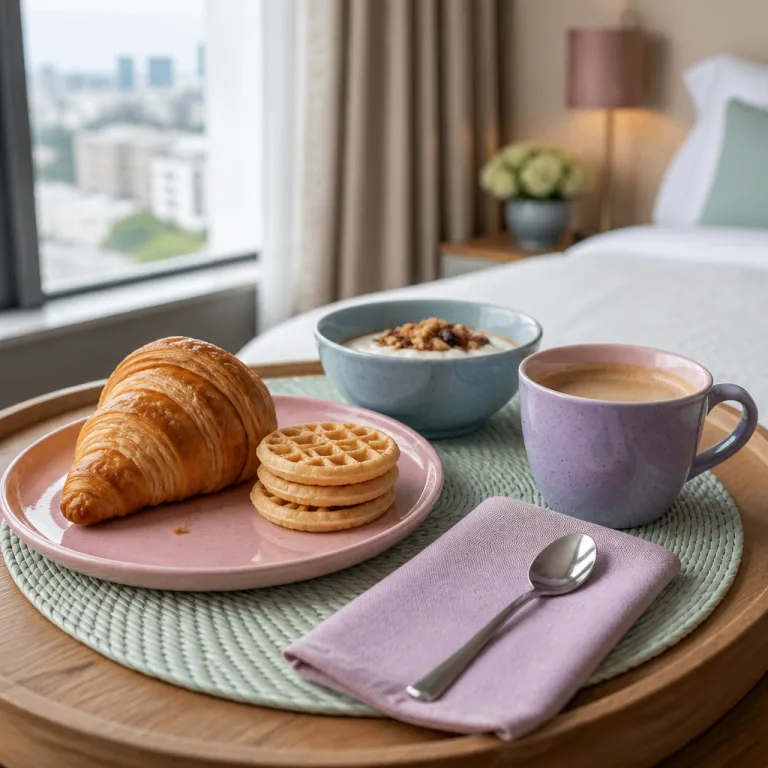
From free add-on to curated luxury hotel breakfast experience
Walk into any well run hotel in the United States now and the breakfast room tells you more than the lobby ever will. Where a basic free continental breakfast once passed for generosity, the modern luxury hotel breakfast experience has become a curated ritual that quietly signals how seriously the property takes food and service. For a family looking to book a hotel near you, that first morning plate can be the clearest indicator of whether the stay will feel perfunctory or genuinely memorable.
Across major hotel brands, from urban business hotels to resort style hotels, the shift is clear ; breakfast is no longer just a cost center but a strategic differentiator designed to enhance guest satisfaction and manage rising operational costs. Industry data shows that a high percentage of guests now choose to eat breakfast on site, and operators have responded by moving from purely free offerings to layered options that range from a simple express counter to a full breakfast buffet with chef interaction. This evolution is not cosmetic ; it is a response to changing travel habits, especially for premium families who see the morning table as shared time rather than a rushed refuelling stop.
Chains such as Hyatt Hotels Corporation and IHG Hotels & Resorts illustrate the trend, with some locations scaling back complimentary hotel breakfasts while investing in better food quality and more flexible formats. When you compare a standard hotel breakfast of scrambled eggs, sausage and orange juice with a thoughtfully staged breakfast buffet that features fresh berries, breakfast potatoes and an omelet station, the difference in perceived value is immediate. For parents weighing two similar hotels near a museum or park, that contrast in hotel breakfast design can easily become the deciding factor when they finally book.
Programming the morning: from buffet lines to live stations and terraces
The most interesting luxury hotel breakfast experience today treats the morning as programming, not a perfunctory buffet line. Instead of a single room with chafing dishes of scrambled eggs and pork sausage, you now see live omelet station counters, waffle corners where batter is poured to order and coffee bars that feel closer to a neighborhood café than a lobby annex. Families who travel frequently recognize that these touches turn a hotel breakfast into an activity, especially when children can watch chefs at work and choose their own toppings.
Some properties have gone further, introducing chef led morning cooking classes where children whisk eggs for soft scrambled dishes while parents learn to balance food drink pairings with fresh juice flights. On a terrace overlooking the city, a great breakfast might include french toast finished with whipped cream and fresh berries, a breakfast bowl layered with grains and breakfast potatoes, and a basket of bread butter service with pain chocolat still warm from a local bakery. These hotels understand that when the first meal feels like a small event, guests are more inclined to linger, spend points on upgrades and book return stays.
Hyatt Place properties in particular have experimented with flexible formats, combining a classic breakfast buffet with grab and go express counters for guests who need to catch early flights. That means one family member can sit down to boiled eggs, pork sausage and orange juice while another grabs a waffle and coffee on the way to a meeting. For readers interested in how this kind of immersive morning programming connects to broader dining concepts such as chef theaters and phygital listening bars, the in depth guide on hotel dining formats worth flying for shows how breakfast is becoming part of a larger narrative about attention holding hospitality.
Local markets, sourdough programs and the new language of breakfast
Look closely at the bread station and juice carafes and you can usually read a hotel’s entire food philosophy. Properties that invest in slow fermented sourdough, pain chocolat from a nearby boulangerie and a rotation of seasonal juice blends are signalling that the luxury hotel breakfast experience is rooted in local sourcing rather than anonymous bulk food. When you see carafes of orange juice pressed from regional fruit alongside smaller pitchers of beet, citrus and herb juice, you know the kitchen is thinking beyond the minimum.
Many hotels now partner with nearby farmers and bakers so that the breakfast buffet becomes a compact map of the surrounding region. A family might start the day with boiled eggs from a local farm, breakfast potatoes roasted in regional olive oil and a breakfast bowl built with grains grown less than 100 kilometers away. When those plates are paired with coffee roasted in the same city and food drink menus that highlight origin stories, the hotel breakfast stops feeling generic and starts to feel like a grounded expression of place.
This attention to provenance matters when you book a hotel near you for a family trip, because it often extends to lunch and dinner quality as well. Operators are candid that they are shifting from complimentary to paid breakfast options to manage costs, but they are also using digital menus and chef led stations to reduce waste and improve choice. If you want a structured way to compare these offers before you commit your points or cash, the guide on choosing the best hotel with generous breakfast options gives a clear framework for evaluating both free and premium hotel breakfasts.
Designing for families: one table, many tastes
For premium families, the real test of a luxury hotel breakfast experience is whether everyone can eat well at the same table without resorting to a tired children’s buffet. Smart hotel brand operators now design hotel breakfast layouts that place familiar comfort food beside more adventurous options, so a child can reach for waffle triangles and scrambled eggs while a parent opts for soft scrambled dishes with herbs and smoked fish. The aim is to bridge the kid adult taste gap through proximity and presentation rather than through a separate, less considered children’s corner.
On a practical level, that might mean a line of mini french toast slices next to bowls of fresh berries and whipped cream, with boiled eggs and pork sausage just a step away. Nearby, you might find a quieter zone with bread butter service, pain chocolat and sliced fruit for younger children who prefer simple food, while an omelet station offers custom fillings for teenagers who want something more substantial. When hotels think this carefully about the morning, they usually also think carefully about room layouts, stroller access and the small details that make family travel feel less like logistics and more like leisure.
Technology supports this shift without overwhelming it ; digital menus allow parents to check allergens, pre order a breakfast bowl or express coffee for a rushed morning and even schedule room service delivery for a specific time of day. Waste reduction tactics behind the scenes mean that the breakfast buffet can stay generous without feeling excessive, which is crucial as operational costs for providing free breakfast can reach a notable share of revenue. For a deeper look at how hotels choreograph these experiences across the entire day, the feature on attention holding hotel dining experiences shows how breakfast now sits alongside chef theaters and listening bars in a single, coherent strategy.
Hushpitality and the rise of the slow hotel breakfast
There is a quieter movement reshaping the luxury hotel breakfast experience, and it runs counter to the grab and go culture that once dominated business travel. As families and solo travelers alike seek more restorative stays, many hotels are embracing what some operators call hushpitality, where the morning is treated as a slow ritual rather than a rushed pit stop. In this model, the hotel breakfast is designed for lingering, with warm lighting, soft music and staff who encourage a second coffee rather than a quick turnover.
Instead of a single crowded breakfast buffet, you might find smaller stations spread across a lounge, each focused on a different rhythm of the day. One corner offers an express counter with coffee, juice and simple food for early risers, while another presents a more elaborate spread of scrambled eggs, breakfast potatoes, french toast and fresh berries for families who come down later. A third area might be dedicated to wellness, with breakfast bowl combinations, boiled eggs, light bread butter options and carefully balanced food drink pairings that avoid heavy sugar spikes.
Hotels are transparent that these formats also help manage costs and expectations ; as one industry explanation puts it, “To manage rising costs and meet evolving guest expectations.” Guests, for their part, are learning to check hotel breakfast offerings before booking and to factor potential premiums into how they use their points and cash. When you next book a hotel near you, pay attention to whether the property talks about its hotel breakfasts in terms of time, mood and place, because that language usually signals a team that understands breakfast as the new reason to stay.
FAQ
Why are hotels changing their breakfast offerings ?
Hotels are changing their breakfast offerings to balance rising food and labor costs with higher guest expectations for quality and choice. Many properties are moving from purely free continental spreads to tiered options that include grab and go counters, classic breakfast buffet layouts and premium à la carte dishes. This allows them to maintain a solid hotel breakfast for most guests while offering a more elaborate luxury hotel breakfast experience for those willing to pay.
Are complimentary hotel breakfasts becoming less common ?
Complimentary hotel breakfasts are becoming less common at full service properties, especially in major U.S. cities. Operators report that the operational cost of providing free breakfast can reach several percent of revenue, which is difficult to sustain when food prices and wages rise. Many hotels now reserve free breakfast for loyalty members, limited service brands or specific rate packages, while others focus on delivering a great breakfast at a transparent price.
What should families look for when booking a hotel with breakfast ?
Families should look for clear information about what the hotel breakfast includes, whether it is free, discounted or fully paid. Check if the breakfast buffet offers both familiar items such as waffles, scrambled eggs and orange juice and healthier options like fresh berries, breakfast bowl combinations and boiled eggs. It is also worth confirming whether the hotel can handle allergies and whether the dining room layout works for strollers and young children.
How can I tell if a hotel takes breakfast quality seriously ?
You can often tell by reading how the hotel describes its morning food and by scanning recent guest reviews. Signs of a serious approach include an omelet station or other live cooking, locally sourced bread and pastries, barista level coffee and thoughtful food drink pairings such as seasonal juice menus. When a property highlights its hotel breakfasts as part of its overall dining concept, it usually indicates a kitchen that treats breakfast as more than an afterthought.
Is a premium breakfast worth paying for when I already have loyalty points ?
Whether a premium breakfast is worth paying for depends on how you value time, convenience and food quality during your travel. If you are using points for the room, allocating some budget to a high quality luxury hotel breakfast experience can still represent strong overall value, especially for families who would otherwise buy multiple separate meals. Consider the range of options, from simple express counters to full service terraces, and decide whether the upgrade meaningfully improves how you start your day.