Why immersive hotel amenities now matter more than the address
The most compelling immersive hotel experience now starts before you even see the room. In the right hotel near a major city hub, the lobby, dining area and listening lounge are designed as one continuous stage where guests move from work mode to evening immersion without changing buildings. For business leisure travelers who extend a stay by a half day or an extra night, these immersive hotels turn what used to be dead time into curated, high value experiences that feel closer to a mini city residency than a standard overnight stay.
Across leading hotels and urban resorts, phygital dining, listening bars and chef theaters are replacing generic lounges and anonymous restaurants. This new generation of immersive experiences blends physical hospitality with digital layers so that every night can feel like a small event rather than a routine room service order. When you choose a hotel for a nearby road trip, a quick city break or a mountain offsite, the question is no longer only about a comfortable bed and a good desk; it is whether the property can hold your attention after the meetings end and help you learn the local culture without leaving the building.
For executives who travel frequently, the immersive hotel experience is also about context and connection to the local culture. A well designed hotel will help you learn the rhythm of the city, from a listening bar that programs local DJs to a chef theater that interprets regional ingredients in real time. Deloitte’s 2023 global hospitality survey notes that hotels which highlight local experiences and cultural storytelling report guest satisfaction scores roughly 10–15% higher than peers that focus only on room product. The best hotels use these amenities to help guests learn culture in a way that feels natural, whether you are staying for a single night or turning a work trip into a three day stay with time to connect nature on the edge of town.
Phygital dining and chef theaters: when the table becomes the stage
Phygital dining describes a restaurant format where physical hospitality is enhanced by digital tools such as augmented reality menus, projection mapping and interactive table elements. In an immersive hotel experience, this might mean scanning a menu to see a 3D preview of a dish, or watching the story of a local ingredient unfold across the table before it arrives. Hospitality research from firms such as Deloitte and Skift defines this as “a blend of physical and digital elements in dining,” and case studies published between 2021 and 2023 report early adopters seeing restaurant revenue lifts of 5–10% alongside higher guest satisfaction scores.
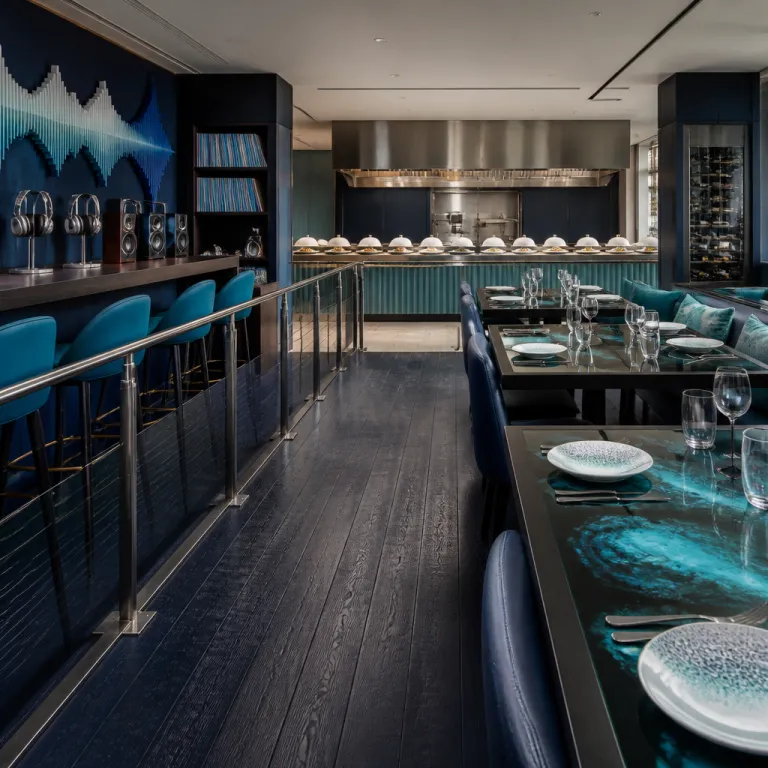
Chef theaters take the open kitchen concept further by turning preparation into evening programming for hotel guests. In these immersive experiences, the kitchen is fully visible, the sound is tuned like a listening bar, and the chef narrates techniques and sourcing so you can learn culture through food rather than through a brochure. As one boutique hotel operator in Lisbon notes, “When the chef explains why a certain mountain herb or ocean fish matters to the region, guests remember the story long after they check out.” For a business traveler hosting clients, this kind of chef theater inside the hotel removes the need for a long road trip across the city while still feeling like a special night out.
Properties that do this well treat the restaurant as a core part of the immersive hotels concept, not an afterthought. Some pair the chef theater with a serenity spa or a refined private dining area so that a half day of meetings can flow into a multi course dinner and then a late night drink without leaving the building. If you value elevated in room features such as a private jacuzzi or a refined suite, it is worth pairing them with a property that also offers an equally elevated dining theater; guides to a refined room with a private jacuzzi can help you shortlist hotels where both the room and the restaurant are designed for immersion and where the overall stay feels coherent from day to night.
Listening bars and zero proof labs: sound and ritual instead of background noise
Listening bars are venues that focus on high quality audio experiences rather than background playlists. In an immersive hotel experience, a listening bar replaces the generic lobby bar with a space where the sound system, record collection and programming are curated as carefully as the wine list. The most interesting hotels now pair this with zero proof labs, dedicated non alcoholic mixology counters where the ritual of a drink is preserved without the alcohol, giving guests a way to unwind at night without compromising an early morning meeting.
Examples from the wider hospitality scene show how this can translate into hotels. ECHO – Taste and Sound in Las Vegas operates as a hi fi listening lounge and restaurant, while Hear & There in Williamsburg and Spy Bar in Boston’s South End demonstrate how music focused lounges can anchor a neighborhood crowd. Industry case studies and operator interviews suggest that when hotels borrow this listening bar format, they see longer average stay times in the bar and higher spend per guest, sometimes 20–30 minutes more per visit. They also create immersive experiences where visitors can learn culture through sound, from local jazz nights to curated city playlists that make a late night drink feel like a concert rather than a transaction.
Zero proof labs work especially well for business leisure travelers who want to stay sharp after a long day of meetings. Instead of another anonymous bar, you get an immersive hotel experience where a bartender builds complex, layered drinks with local ingredients, often explaining techniques as carefully as a chef in a theater kitchen. When you evaluate hotels with indoor pools or wellness programs, it is worth checking guides on how to choose the best hotel with an indoor pool for a refined stay and then asking whether the same care has been applied to the listening bar, the non alcoholic offerings and the wider public spaces.
From serenity spa to night sky: connecting wellness, nature and the city
The most convincing immersive hotel experience does not stop at the restaurant or bar; it extends into wellness, nature and the way the property frames the surrounding city or landscape. A well run serenity spa can be programmed like a chef theater, with scheduled rituals, guided sessions and sensory design that make a half day of treatments feel like a narrative rather than a checklist. For guests who want to connect nature without sacrificing urban access, some hotels now design terraces, rooftop pools and quiet lounges that frame the night sky or a distant mountain line as carefully as any artwork, turning a simple pause between meetings into a moment of reflection.
On coastal resorts, the same thinking applies to the ocean and the shoreline. A hotel that understands immersive experiences will time outdoor yoga, guided swims or sound baths to the rhythm of the tide and the changing light, turning a simple stay into a sequence of moments that feel curated. In historic hotels, this might mean evening storytelling in a courtyard, or a bed and breakfast style salon where a host explains the building’s past while guests sample local wines and regional snacks, blending the intimacy of a private home with the service of a full scale resort.
Wellness focused travelers should look for properties where the spa, pool and outdoor spaces are integrated into a single immersive hotel experience rather than scattered amenities. A practical way to assess this is to use a specialist guide on finding a hotel spa where the wellness program justifies the rate and then cross check whether the same design intelligence appears in the dining area, listening bar and public lounges. When a hotel can connect nature, wellness and culture into one coherent arc from day to night, you feel less like a transient guest and more like a temporary resident of the city or resort.
The gimmick test: how to choose immersive hotels that age well
Not every immersive hotel experience deserves your time or your expense account. Some hotels install projection mapping or virtual reality headsets as a one off attraction that feels exciting on the first night and irrelevant by the second. The most reliable test is to ask whether the technology helps you learn, connect or relax more deeply, or whether it simply adds noise to an already busy travel day and encourages you to skip content that might actually help you understand the destination.
When evaluating hotels, start with the basics of location, room quality and service, then layer in the immersive experiences. A strong property will use phygital dining to explain local ingredients, listening bars to showcase city talent and chef theaters to turn dinner into a shared narrative for guests and hosts. Operators who track guest feedback often see higher review scores when they explain these amenities clearly instead of asking visitors to skip content and head straight to the booking engine; if a hotel invites you to do that without explaining how the experiences work in practice, treat it as a warning sign rather than a convenience.
For business leisure travelers, the right immersive hotels will make it easy to host clients, unwind after a conference and still feel ready for an early meeting the next day. Look for properties where staff can suggest a half day sequence that might include a serenity spa treatment, a listening bar session and a chef theater dinner, all on site. When the immersive hotel experience is designed with this kind of intentional flow from morning to night, you gain back control of your time and turn necessary travel into something closer to a curated city residency that balances work, culture and rest.
FAQ
What is phygital dining in a hotel context?
Phygital dining in hotels refers to restaurant experiences that blend physical hospitality with digital tools such as interactive menus, projection mapping and augmented reality. These elements are used to explain dishes, highlight local ingredients and create an immersive hotel experience that feels more like a performance than a standard meal. The goal is to deepen engagement, not to replace human service, so guests still interact with staff while using digital layers to learn about the local culture.
How do listening bars differ from regular hotel bars?
Listening bars prioritize high fidelity sound systems, curated playlists and focused listening over background music. In a hotel, this means the bar is designed for guests who want to engage with music as the main event, often featuring local DJs or themed listening sessions. This format attracts a crowd that values culture and atmosphere, making it ideal for relaxed client meetings, solo unwinding after a long day or a quiet night in the city when you do not want a full concert.
What is a chef theater and why does it matter for business travelers?
A chef theater is an open concept kitchen where cooking is treated as live entertainment, with chefs explaining techniques and sourcing as they work. For business travelers, this creates a built in evening program that can impress clients without leaving the hotel or committing to a long road trip across the city. It also offers a structured way to learn culture through food when time is limited, turning a necessary dinner into a memorable part of the overall stay.
How can I tell if an immersive hotel feature is more than a gimmick?
A genuine immersive hotel experience will still feel valuable on the second or third visit because it helps you connect nature, understand the local scene or relax more deeply. Ask whether the feature is integrated into the wider stay, such as linking a serenity spa, listening bar and restaurant into a coherent flow from day to night. If the technology or design does not change your behavior or understanding, and you could easily skip content without missing anything meaningful, it is likely a short lived gimmick.
Are immersive hotel amenities suitable for short stays and half day visits?
Yes, many hotels now design immersive experiences that can be enjoyed in a half day window, such as a spa ritual followed by a chef theater lunch or an early evening listening bar session. This makes them particularly useful for business leisure travelers with tight schedules who still want a sense of the city or resort. The key is to choose hotels that clearly outline how these experiences fit into a one night or two night stay so you can plan your time and avoid feeling rushed.