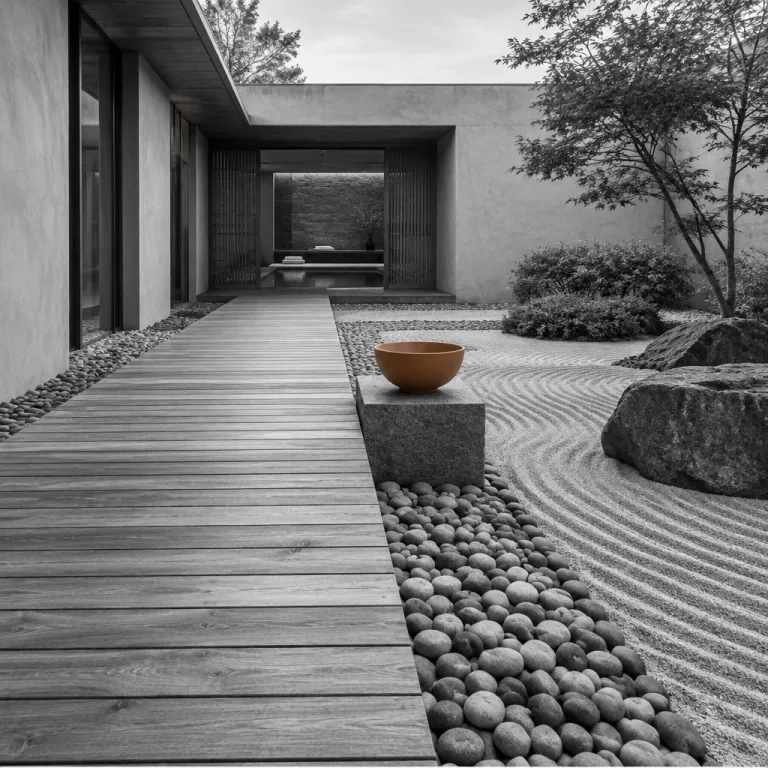
From amenity overload to radical simplicity in wellness luxury hotels
The most interesting wellness luxury hotel trends 2026 are not about bigger spas or longer treatment menus. They are about luxury hospitality learning that the rarest assets for high net worth guests are silence, space and the feeling that their nervous system can finally stand down. In the best new hotels, wellness is no longer a side activity but the quiet architecture of the entire guest journey.
For the business leisure traveller extending a work trip, this shift changes how you should read wellness travel promises when you search for a hotel near me. Instead of chasing the property with the most saunas, pools and classes, look for luxury hotels that deliberately limit stimulation and frame health as long term recovery rather than short term performance. The smartest hotel brands now design rooms as mini retreats, with soundproofing, blackout, circadian lighting and evidence based sleep amenities that work harder than any oversized lobby fountain.
This is where wellness luxury hotel trends 2026 intersect with real estate strategy and hospitality trends. Developers in dense urban markets are sacrificing a few extra keys to carve out wider corridors, fewer rooms per floor and small meditation terraces that act as pressure valves for stressed guests. For you as a guest, that means the most valuable square metres are not always inside your suite but in the quiet transitional spaces where your nervous system can reset between meetings, workouts and dinners.
Location still matters, especially for the executive who wants a hotel near me that keeps both travel time and decision fatigue low. Yet the new luxury is the property that lets you step from a buzzing street into a lobby where the soundscape drops, the lighting softens and the human touch is calm rather than performative. When you evaluate hotels, ask not only about spa size but about acoustic design, air quality, women health programming and how the team manages kids traffic so adult guests can genuinely rest.
Nowhere is this clearer than in destinations like Bali, where wellness travel has matured from yoga clichés into sophisticated, longevity focused retreats. The most forward looking Bali hotel projects are integrating small longevity clinics, infrared and contrast therapy, and nutrition labs, but they are wrapping them in minimalist design and strict privacy policy standards rather than Instagram spectacle. For the high net worth traveller, that combination of discretion, health expertise and low sensory input is becoming the new definition of luxury hotel value.
Digital detox, silence and the deliberately do nothing stay
Wellness luxury hotel trends 2026 are being shaped by one blunt reality ; most guests arrive overstimulated, under rested and quietly anxious. For the business traveller who has just closed a deal and wants to extend the stay, the real fantasy is not another tasting menu but a room where the phone finally stops buzzing and the brain can idle. Luxury hospitality is responding with digital detox programming that feels less like a wellness boot camp and more like a soft landing strip.
Look closely at how leading hotel brands now choreograph the guest journey from check in to first night. Some properties offer optional device drop services, where phones are locked away and replaced with analogue alarm clocks, handwritten city notes and printed privacy policy summaries that reassure guests about data and net worth confidentiality. Others build in structured recovery windows, blocking spa and fitness bookings for the first evening so that guests are nudged toward early sleep, slow stretching or simply watching the city lights in silence.
This restraint is not about austerity ; it is about performance in the most human sense. Executives who treat wellness travel as an extension of their work ethic often over schedule retreats with back to back classes, biohacking sessions and meetings in the spa café. The new wave of wellness luxury hotel trends 2026 counters that impulse by programming fewer, longer, evidence based treatments that target the nervous system and long term longevity rather than quick fixes.
Pricing is where the line between thoughtful restraint and cynical cost cutting becomes visible. A stripped back spa floor with no hydro circuit, no sauna culture and no dedicated women health facilities can easily be marketed as minimalist, while quietly protecting margins. Before you book, read how the hotel explains its wellness assets, then cross check with transparent rate structures and regulatory context such as the latest hotel pricing oversight that is reshaping what is included in a nightly rate.
For families, the do nothing stay has its own logic, especially when kids are in the mix. Properties that truly understand recovery will separate adult only thermal areas from family pools, and they will design kids clubs that are low tech, nature led and aligned with the same health principles as adult retreats. When you scan hospitality trends, prioritise hotels that talk about intergenerational guest experience rather than just kids entertainment, because that is where real wellness design lives.
Bleisure reality check: when less is luxury and when it is just less
For the business leisure traveller, wellness luxury hotel trends 2026 pose a practical question ; how do you tell the difference between radical simplicity and simple subtraction. A hotel near me that removes the gym, trims the spa and cuts room service hours can still claim a wellness narrative, but your recovery after a long flight will tell you whether the restraint was designed or improvised. The only way to judge is to map the full guest journey against your own health needs.
Start with sleep, because that is where most high net worth guests are quietly desperate for improvement. Ask how the hotel handles soundproofing, blackout, mattress quality and air filtration, and whether these elements are treated as core assets or optional upgrades. In the most thoughtful luxury hotels, these fundamentals are included as standard, while extras like in room longevity clinics consultations or personalised women health assessments are layered on top for those who want deeper interventions.
Next, look at how the property balances work performance with genuine rest. A well designed hotel near me for bleisure will place quiet co working lounges close to spa and movement studios, so that guests can toggle between focus and recovery without crossing the entire building. The best examples treat wellness travel as a rhythm, not a separate zone ; you might move from a video call to a 20 minute breathwork session, then to a light lunch that is calibrated for blood sugar rather than spectacle.
Industry trends in real estate are reinforcing this integrated model. Developers are increasingly positioning wellness floors between meeting spaces and guest rooms, effectively turning them into buffers that protect the nervous system from constant cognitive load. For travellers scanning hotel brands, this means that floor plans and circulation patterns can tell you as much about wellness intent as spa menus or marketing copy.
Restraint also shows up in how properties handle sustainability and destination impact, which are now central to sophisticated hospitality trends. A luxury hotel that limits car transfers, encourages walking routes and caps guest numbers for local retreats is not just saving costs ; it is aligning with a broader accountability movement explored in depth in this analysis of how hotels grow without outgrowing their destinations. When you choose a hotel near me, you are also choosing which version of the city’s future you want your net worth to support.
Behind the scenes, shifts in ownership are also reshaping where and how you stay. As outlined in this examination of hotel for sale near me trends, investors are increasingly valuing properties with strong wellness credentials and long term guest loyalty over pure key count. For travellers, that means the quietest, most thoughtfully restrained hotels are likely to be the ones still thriving when the next wave of industry trends arrives.
Where amenity heavy resorts go next in a world that values quiet
Amenity maximalism is not disappearing ; it is being forced to justify itself within wellness luxury hotel trends 2026. Large resorts with multiple pools, restaurants and activity zones now face a strategic choice between doubling down on spectacle or carving out pockets of radical simplicity for guests who crave calm. The properties that will win are those that treat silence and space as design features, not afterthoughts.
One path forward is the creation of micro retreats within larger hotels, especially in destinations like Bali where wellness travel demand is strong across segments. A sprawling Bali hotel can reserve one wing as an adults only, low stimulation zone with its own check in, separate spa circuit and strict privacy policy around health data and longevity programming. For women travelling solo or with friends, these enclaves offer women health services, hormone aware nutrition and nervous system focused therapies without the chaos of the main resort.
Families and kids are not excluded from this new luxury ; they are simply given their own rhythm. Resorts that understand recovery will design family pools, nature based play areas and early dinner services that respect both children’s sleep needs and adult guests’ desire for quiet evenings. In this model, wellness is not a separate adults only retreat but a set of evidence based choices about light, sound, timing and movement that benefit every guest.
From an investment perspective, wellness assets are becoming central to real estate valuation, especially for high net worth owners and funds. Properties that can demonstrate strong guest experience scores around sleep, stress reduction and long term loyalty are commanding premiums over similar hotels with flashier but less effective amenities. For travellers, that means your feedback on how a hotel supports your health and performance is not just a review ; it is a signal that shapes future development.
Looking ahead, the most interesting wellness luxury hotel trends 2026 will likely blur the line between hotel, clinic and retreat while keeping the human touch at the centre. Longevity clinics may sit quietly behind a lobby, offering optional diagnostics and personalised plans, but the front of house will still feel like a warm, low key hotel where staff remember your name and your preferred level of interaction. Luxury, in this emerging landscape, is the place where you can arrive from a long haul flight, hand over your devices, feel your nervous system exhale and know that every design choice has been made to protect your health rather than perform it.
Key figures shaping restrained wellness luxury
- Global wellness tourism reached approximately 990 billion dollars in total spending in the mid 2020s, and projections from the Global Wellness Institute suggest it could reach around 2.4 trillion dollars by 2035, driven by a compound annual growth rate of about 9.3 percent in wellness travel demand.
- Analysts tracking hospitality trends report that up to 60 percent of consumers now rank healthy ageing and longevity as a top personal priority, which is directly influencing luxury hotel design, spa programming and the rise of longevity focused retreats.
- Industry data from major hotel brands indicates that wellness oriented rooms and suites can achieve daily rates that are 20 to 30 percent higher than standard inventory, especially in urban markets where space, silence and recovery amenities are scarce assets.
- Surveys of high net worth travellers conducted by leading consultancies show that more than half of respondents are willing to extend business trips by at least two nights when a hotel offers credible, evidence based wellness programs that support nervous system regulation and long term health.
- Real estate reports on luxury hotels highlight that properties with integrated wellness facilities and strong guest experience scores in sleep quality and stress reduction can see valuation uplifts of 10 to 15 percent compared with comparable hotels lacking such wellness assets.