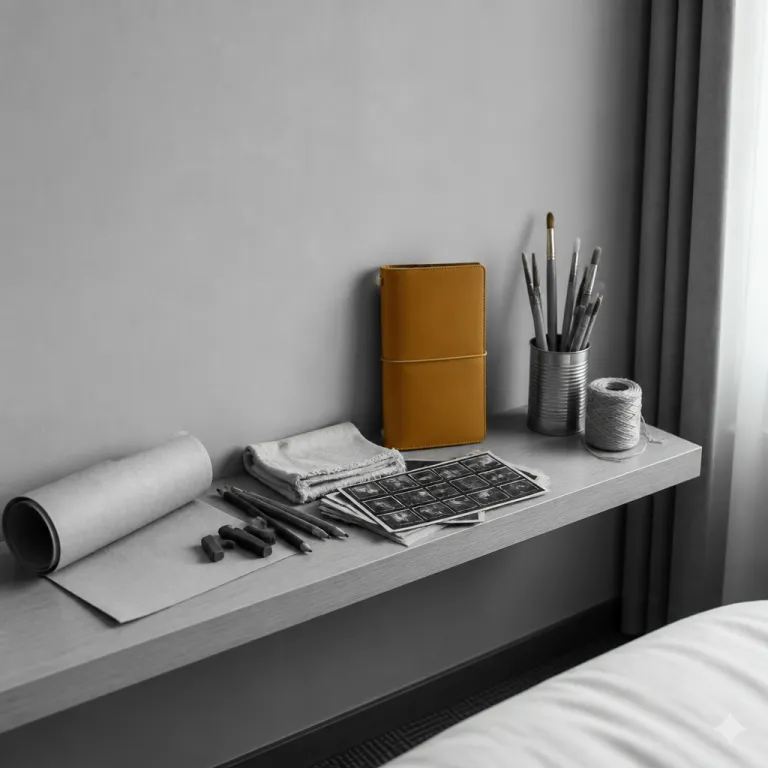
The rise of the hotel creative space immersive experience
Walk into the right hotel near you and the lobby no longer whispers only about check in and room upgrades. It signals a hotel creative space immersive experience where the line between workspace, studio and salon is intentionally blurred for guests who arrive with laptops and sketchbooks. For the business leisure traveler, the best hotel is now the one where you can close a deal at 10.00, record a podcast at 14.00 and join an art workshop before dinner.
This shift is not a marketing gimmick ; it is a structural change in the hospitality industry that treats attention as the scarcest luxury. Properties from Studio Allston in Boston to Andaz West Hollywood in Los Angeles are rethinking hospitality design so that every corridor, lounge and terrace can host immersive experiences rather than passive waiting. When you search for a hotel near me, you are increasingly choosing between hotels that simply stage consumption and hotels that curate memorable experiences you actively produce.
At Studio Allston, the creative community of Boston shapes the hotel virtual narrative as much as the interior design team does. Walls become canvases, rooms double as galleries and the public spaces feel like a story place where potential guests can imagine their own projects unfolding. A creative hotel is defined as a hotel offering spaces and programs for artistic activities, and that definition now underpins how many hotels resorts position themselves to attract guests who value production over spectacle.
From quiet lobby to working studio
The classic lobby was designed for transience, a place to pass through on the way to the elevator. The new lobby in a hotel creative space immersive experience is calibrated for engagement, with zones for human interaction, recording, sketching and informal meetings that feel closer to a members club than a transit hall. You see it in the way power outlets, acoustics and sightlines are handled, turning what used to be dead space into a live studio for guests.
Andaz West Hollywood, for example, has leaned into immersive art experiences that invite guests to participate rather than simply observe. Instead of a static tour of framed works, the property programs experiences where visiting artists host workshops, critique sessions and small tours that move through the hotel as if it were a working gallery. The result is a layered immersive experience where the hotel itself becomes a collaborator in your creative output.
For the executive extending a business trip, this matters more than another generic resort style pool. You can step out of a video call, walk twenty metres to a maker table and prototype a concept with design tools provided by the hotel, then later join a small tour hotel walk through the neighbourhood led by a local photographer. The hotel creative space immersive experience turns the entire property into a third place that supports both focused work and serendipitous encounters.
Virtual layers on physical stays
What differentiates the most forward thinking hotels is how they blend virtual and physical layers into one coherent experience design. Before you even arrive, interactive virtual previews and carefully produced virtual tours let potential guests assess whether the creative infrastructure matches their needs. A well executed virtual tour does more than show real estate ; it demonstrates how the lobby can function as a studio, how a suite can host a podcast recording and how public spaces support immersive experiences.
Some properties now offer a hotel virtual orientation that goes beyond standard tours of rooms and restaurants. These interactive virtual sessions walk you through the creative amenities, from soundproof booths to photography corners, and allow you to plan your stay around specific experiences rather than vague promises. For hotels, this is not just hospitality marketing but a way to align bookings with the right type of guests who will fully use the creative ecosystem.
Virtual reality is starting to play a role here, especially for complex hotels resorts with multiple creative zones. A virtual reality tour can show how a co working suite transforms into an evening salon, or how an art studio connects to an outdoor terrace for larger workshops. When bookings virtual channels highlight these layers clearly, the hotel creative space immersive experience becomes legible long before check in, which increases both engagement and conversion.
Designing hotels for makers, not just sleepers
The most interesting hotel near you is no longer the one with the highest thread count ; it is the one where you can actually make something. This is the essence of the hotel creative space immersive experience, where hospitality design is driven by the needs of makers, podcasters, photographers and strategists who travel with projects in progress. They are not asking for more luxury in the traditional sense, but for better tools, smarter layouts and frictionless access to creative amenities.
In practice, that means co working suites with proper acoustics, adjustable lighting and integrated media walls rather than repurposed meeting rooms with a coffee urn in the corner. It means podcast studios that can be booked by the hour through the same booking interface you use for your room, with clear pricing that treats creative time as a core amenity. It also means photography darkrooms, maker labs and art workshops that are as carefully maintained as the spa, because these experiences are now central to the value proposition.
For business leisure travelers, this design shift changes how you evaluate hotels during booking. You are no longer comparing only room sizes and proximity to the office, but also asking whether the hotel offers immersive experiences that support your creative agenda. A property that offers a hotel creative space immersive experience will highlight its studios, residencies and workshops as prominently as its suites, much like a refined hotel with jetted tubs highlights its romantic Jacuzzi suites for a night away.
Studios, residencies and maker weekends
Hotels that take this seriously are building structured programs rather than ad hoc events. Artist residencies bring in painters, photographers, designers and writers who live on property for weeks, using the hotel as both subject and studio while engaging with guests through talks and workshops. Maker weekends turn shoulder season dates into high demand periods by offering curated experiences that combine instruction, production time and social events.
The hospitality industry has learned that these immersive experiences drive both occupancy and loyalty, especially among repeat business travelers who want each stay to feel like a chapter in a longer creative journey. When a hotel creative space immersive experience is well designed, guests start planning their bookings around specific residencies or maker programs rather than around generic conference dates. This is where hospitality marketing becomes storytelling, positioning the property as a recurring stage for your projects.
Properties like TORCH ATL in Atlanta, a private creative estate, show how far this can go when the entire place is conceived as a production hub. While not a traditional hotel, it operates on similar principles, offering spaces optimised for shoots, recordings and events that feel more like a resort for creators than a simple venue. Hotels near you are borrowing from this playbook, integrating smaller scale studios and flexible rooms that can shift from boardroom to editing suite in under an hour.
Evaluating creative amenities when you book
When you search for a hotel near me, the listings rarely tell you whether you can record a high quality interview at midnight without disturbing anyone. You need to read between the lines of hospitality design language, looking for clues like dedicated content rooms, media labs, or partnerships with local creative agencies. A genuine hotel creative space immersive experience will be explicit about these features, because they are not afterthoughts but core differentiators.
Pay attention to how hotels describe their public spaces and whether they mention experience design in relation to work and creativity. If the lobby is framed as a living room, you may get comfort but not production capacity ; if it is framed as a studio or salon, you are more likely to find the infrastructure you need. Some properties now offer short tours for potential guests, allowing you to walk the space before committing to a longer booking, which is invaluable if your work depends on reliable creative environments.
Also look at how the hotel uses social media to showcase real guest projects rather than staged marketing shots. When you see guests hosting live recordings, pop up exhibitions or design sprints in the lobby, you are seeing the hotel creative space immersive experience in action. That is the kind of evidence that should influence your booking decision far more than another generic photo of a resort pool at sunset.
The lobby as third place: from lounge to production floor
The most radical change in the hotel creative space immersive experience is happening in the lobby. Once a liminal zone for arrivals and departures, it is now being reimagined as a third place that sits between home and office, tuned for both focus and human interaction. For travelers who extend business trips into leisure, this is where the real value of a hotel near you is decided.
In the best examples, the lobby is zoned like a small city, with quiet corners for deep work, semi public tables for collaboration and open areas for events or informal tours. Furniture is movable, lighting is layered and acoustics are carefully managed so that a podcast recording can happen metres away from a sketching session without either being compromised. This is hospitality design as urban planning, where the goal is to support multiple experiences simultaneously without chaos.
Hotels that embrace this model often treat their lobby as a gallery or workshop rather than a waiting room. Rotating exhibitions, live demonstrations and scheduled talks turn the space into a story place where guests can join or simply observe, depending on their energy. For the hotel, this creates memorable experiences that extend dwell time and deepen engagement, which in turn supports higher value bookings and repeat visits.
Programming that fills the calendar and the mind
Physical design is only half the equation ; programming is where the hotel creative space immersive experience becomes tangible. Thoughtful calendars of workshops, talks and small tours give structure to the third place concept, ensuring that the lobby and adjacent spaces are animated without feeling chaotic. Hotels that do this well treat their programming grid with the same seriousness as their revenue management spreadsheets.
Artist residencies, maker weekends and creative retreats are particularly effective at filling shoulder periods that might otherwise sit empty. A long weekend focused on photography, for example, can attract guests who would never have considered that hotel near you for a standard city break. When combined with strong hospitality, these immersive experiences turn low demand dates into signature events that anchor the property in the local creative scene.
For travelers, this means you can align your booking with specific experiences that match your interests, whether that is a writing intensive, a design sprint or a series of intimate tours with local makers. It also means that your stay can be structured around production rather than consumption, with the hotel providing both the tools and the social fabric. Guides such as those on how to choose refined hotels near you with jetted tubs show how amenities shape decisions, and creative programming is now joining that list of decisive factors.
The tension between quiet luxury and immersive hospitality
Not every traveler wants their attention choreographed from breakfast to nightcaps, and this is where the tension between quiet luxury and immersive hospitality becomes clear. Traditional luxury, exemplified by brands like Ritz Carlton, has long prioritised discretion, privacy and a sense of calm that keeps the outside world at bay. The hotel creative space immersive experience, by contrast, invites the world in, turning the property into a porous third place where guests, locals and creators mix.
The smartest hotels are not choosing one vision over the other but layering them. You might have a floor of suites that function as serene retreats, while the lobby and mezzanine host workshops, talks and interactive virtual sessions that energise the building. This allows guests to dial their level of engagement up or down, moving between quiet luxury and immersive experiences as their schedule and mood dictate.
For the executive traveler, this duality is powerful. You can spend the morning in a silent room finalising a strategy deck, then step into a lively lobby event that connects you with local designers, media producers or potential collaborators. The hotel near you becomes not just a place to sleep but a calibrated environment for both restoration and production, which is precisely what the third place concept demands.
Virtual tours, social media and the new booking journey
The decision to book a hotel creative space immersive experience often starts long before you roll your suitcase across the lobby floor. It begins with how the property presents itself through virtual tours, social media and other media channels that shape your expectations. For hotels, this is where hospitality marketing must shift from glossy lifestyle imagery to concrete demonstrations of creative capability.
A well crafted virtual tour should not only glide through suites and restaurants but also linger on studios, maker spaces and co working zones. It should show how guests actually use these areas, whether that is a small team recording a webinar, a photographer setting up a shoot or a designer leading a workshop. When potential guests can see themselves working and creating in the space, the hotel creative space immersive experience becomes a credible proposition rather than a vague promise.
Some properties are experimenting with interactive virtual formats that allow you to toggle between different layouts or times of day. You might see the lobby at 09.00 as a quiet workspace, then at 19.00 as a buzzing salon with live music and a design talk. These bookings virtual tools help travelers understand the rhythm of the place, which is crucial if you are planning to combine focused work with social engagement during your stay.
Social proof for creative stays
Social media has become the de facto review platform for the hotel creative space immersive experience. Instead of relying solely on star ratings, travelers scan tagged posts, stories and reels to see what actually happens in the lobby, studios and public areas. When you see real guests hosting events, recording content or leading tours, you gain confidence that the hotel near you can support your own projects.
Hotels that understand this encourage guests to share their work in ways that feel organic rather than forced. They might provide subtle prompts in studios, offer media friendly backdrops or host low key showcases where guests can present what they have created during their stay. This generates a steady stream of content that functions as both social proof and living documentation of the hotel creative space immersive experience.
At the same time, properties must respect privacy and avoid turning every corner into a stage. The balance between human interaction and personal space is delicate, especially for executives who value discretion as much as inspiration. The best hotels set clear guidelines, design zones with different levels of visibility and ensure that guests can opt into or out of the social layer without friction.
From breakfast table to creative hub
One of the most overlooked arenas for the hotel creative space immersive experience is the breakfast room. Morning service has traditionally been about efficiency, but forward looking hotels are reimagining it as a soft landing pad for the day’s creative work. Long communal tables, reliable power, strong coffee and light filled spaces turn breakfast into an informal co working session where ideas start to circulate before the first meeting.
For travelers who care about both craft and comfort, the quality of this first meal can be a deciding factor. Guides that focus on hotel breakfasts that changed the morning capture how important this ritual has become in choosing a hotel near you. When breakfast doubles as a creative hub, the hotel creative space immersive experience extends from the studio to the table, reinforcing the sense that every part of the property supports your work.
As hotels continue to evolve into third places, the most successful ones will be those that treat every touchpoint, from virtual reality previews to in person tours and morning coffee, as part of a coherent experience design. For guests, the question will not be whether a hotel offers luxury, but whether it offers the right mix of tools, spaces and human interaction to make the stay genuinely productive. That is the new benchmark for a hotel near you in an attention economy where creation, not consumption, defines value.
Key figures shaping creative hotels as third places
- Industry reports indicate that around 150 hotels in the United States explicitly position themselves as hotels offering creative spaces, a small but fast growing segment within the wider hospitality industry that signals strong demand for the hotel creative space immersive experience.
- Travel surveys show an estimated 25 percent increase in creative hotel bookings over recent years, suggesting that guests are actively seeking hotels where they can participate in artistic experiences during their stay rather than only consuming traditional amenities.
- Internal data from several properties experimenting with artist residencies and maker weekends indicates that shoulder period occupancy can rise by double digit percentages when immersive experiences are programmed, confirming that creative third place strategies have measurable commercial impact.
References
- American Hotel & Lodging Association – reports on evolving guest preferences and experiential stays.
- Skift Research – analyses on the rise of creative and experiential hospitality concepts.
- STR Global – performance data on hotels integrating non traditional amenities and programming.