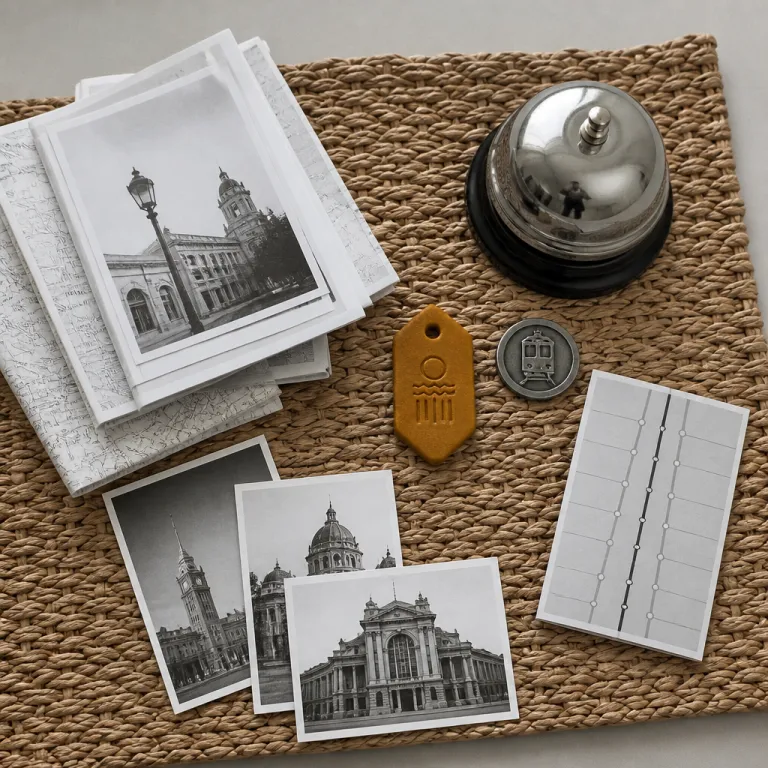
The cultural concierge model: from front desk to neighborhood insider
When a hotel promises a rich cultural hotel experience with a local guide service, you should expect more than a smile at check in. The most interesting properties now treat the concierge desk as a cultural nerve center where a neighborhood expert curates your day in the city with the same care a sommelier applies to a cellar. This shift turns routine tourism into a layered cultural experience that feels anchored in the place where local people actually live.
Instead of handing out generic tour leaflets, these concierges design a private tour or small group walk that follows the city’s daily life rather than its postcard angles. They know which tour companies quietly run excellent group tours with scholar led commentary, and which guided tour options are better suited to families who need flexible timing and special requests. The result is a cultural concierge approach where the hotel becomes your base camp and the streets outside become the real lobby.
In this model, tour guides are not distant contractors but trusted local guides who often grew up within a few kilometres of the property. They help tourists move beyond the usual tourism industry script and into conversations with local people about food, work and life. For a premium family, that means children see how people live in the neighbourhood, not just how tourists move through it on a checklist group tour.
Hiring the neighborhood host: local knowledge over perfect résumés
The smartest hotels now recruit for deep local culture fluency before polished hospitality credentials. They look for local guides who can explain why one street market matters more than another, and how a small family businesses cluster has shaped the area’s economic life. This hiring strategy turns the cultural hotel experience local guide promise into something measurable rather than marketing language.
Many properties have created a “neighborhood host” role that sits between classic concierge and professional tour guides. These hosts often come from creative industries, universities or even the tourism industry’s back office, bringing scholar level curiosity to everyday travel questions. When a guest asks about culture, they do not just list things to see; they map a route through the city that links artisans, cafés and galleries into a coherent experience.
For families, this means the person at the desk can arrange a small group visit to a ceramics studio run by local people, followed by a guided tour of a nearby courtyard where children can safely roam. Hotels that convert heritage buildings, as explored in this analysis of how heritage conversions are rewriting the luxury hotel playbook, are especially well placed to use neighborhood hosts. Their walls already hold stories; the right local guide simply translates them into accessible group tours and private walks that deepen the cultural storytelling around the property.
Programming for families: from scavenger hunts to market kitchens
For a premium family, the best destinations are those where children can engage with local culture without feeling lectured. Leading hotels now design cultural hotel experience local guide programs that turn the city into a playground of clues, tastes and textures. A well crafted scavenger hunt can introduce young tourists to architecture, street art and daily life in a way that feels like a game rather than a school trip.
Some properties partner with tour companies and independent tour guides to run small group workshops in nearby studios or markets. A morning might start with a local guide leading families through a food market, where children learn how local people shop, bargain and talk about ingredients. Back at the hotel, a chef and a neighborhood host help them cook what they bought, turning tourism into a hands on cultural experience that connects plate to place.
Other hotels lean into craft, inviting artisans to host guided tour style sessions in the lobby or courtyard where kids can try weaving, printmaking or simple ceramics. This kind of programming, explored in depth in the concept of the museum hotel and the exhibition stay, shows how cultural content can become the main reason to book. When a cultural immersion program is this strong, the hotel no longer needs a stack of travel guides on a table; the city itself becomes the open book.
From tourist experience to local encounter: getting beyond the script
There is a clear difference between a tourist experience designed for volume and a local encounter shaped around nuance. A cultural hotel experience local guide approach aims for the second, using the hotel as a careful broker between guests and the community. The goal is to let tourists feel the rhythm of daily life without turning local culture into a stage set.
Thoughtful hotels work with local guides and tour companies to cap group tours at a genuinely small group size, often under ten people. This keeps guided tour conversations flexible, allowing space for questions about how people live, work and raise families in the city. It also reduces the sense that tourism is overwhelming the neighbourhood, which matters deeply to local people who share pavements, cafés and public spaces with visitors.
Some concierges quietly steer guests away from bucket list hotspots at peak hours, suggesting a different time or a parallel street where the same culture plays out with fewer cameras. They may use google maps only as a starting point, then layer on their own mental map of where life actually happens. For families, this can mean swapping a crowded group tour for a twilight walk with a local guide who knows which squares feel safe, which ice cream counters are still run by family businesses and which things are worth staying up late to see.
Why cultural depth drives loyalty: what to check before you book
When guests feel a hotel has unlocked the city for them, they tend to return to that address rather than shop around. A strong cultural hotel experience local guide program becomes part of the property’s identity, not an optional extra. For premium families, this means one reliable base in a favourite city where the staff already understand their rhythms and special requests.
Before you book, read staff bios carefully and look for explicit references to local culture expertise, neighborhood projects and collaborations with local guides. Scan the hotel website for mentions of group tours, small group walks, artisan visits and partnerships with travel agencies or tour companies that focus on responsible tourism. Articles about cultural programming, similar to detailed pieces on how to choose hotel conference spaces that connect to their neighbourhoods, often reveal how seriously a property treats its role in the city.
Pay attention to how the hotel describes its relationship with local people and family businesses rather than just its distance from major sights. Does it mention working with national geographic style storytellers, nat geo inspired photographers or scholar guides for in depth tours? Does it frame tourism as a shared benefit for the community, or simply as a way to tick off best destinations on a bucket list? The more specific the language about tour guides, local guide services and daily life encounters, the more likely you are to find a concierge who truly speaks like a local.
FAQ
How can I tell if a hotel really offers a cultural hotel experience local guide service ?
Look for concrete details rather than vague promises about culture or authenticity. A serious property will name local guides, describe specific tours or small group walks and explain how it works with local people and family businesses. If the website only lists generic tourism information without mentioning guided tour options, group tours or neighborhood hosts, the cultural offer is probably thin.
Are hotel arranged tours better than booking directly with tour companies ?
Hotel arranged tours can be excellent when the concierge has long standing relationships with trusted tour companies and independent tour guides. The advantage is that your local guide understands the hotel’s standards, your family profile and any special requests before you even meet. If the property values local culture, its partners in the tourism industry are usually carefully chosen and focused on small group or private experiences.
What should families ask the concierge to get beyond typical tourist experiences ?
Ask for suggestions that show you how people live rather than where tourists queue. Good questions include which market best reflects daily life, which park local people use with their children and which small cafés are still run by family businesses. A concierge who truly offers a cultural hotel experience local guide service will propose walks, workshops or tours that feel like local encounters, not staged performances.
Is it worth paying extra for a private local guide instead of joining a group tour ?
For many premium families, a private local guide is worth the higher fee because the pace, content and route can be tailored. You can focus on specific things your children enjoy, from street art to food, and adjust for naps or early dinners. When budgets are tighter, a small group tour with fewer than ten people often balances cost with the chance to ask questions and connect with local culture.
How does cultural programming influence which hotel I should choose near major attractions ?
When several hotels share similar locations near key sights, cultural programming becomes a decisive factor. A property that invests in neighborhood hosts, collaborations with local guides and thoughtful tours will usually deliver a richer stay than one that only offers a map and a list of attractions. Over time, guests tend to return to the address where the cultural hotel experience local guide service helped them feel part of the city rather than just passing through.