How to evaluate hotels with pets allowed near you
Searching for refined hotels with pets allowed near me starts with clarity about your priorities. You need to balance your own comfort with the specific needs of your pet, from quiet corridors to outdoor access and the right room with enough space. In many mid sized cities across the United States, where a growing number of hotels now welcome pets, the best stays begin when you match clear expectations with transparent policies.
Begin by checking whether the property markets itself as genuinely pet friendly or simply accepts pets with strict limits. Some hotels cap dogs at a maximum weight per pet, while others welcome several animals with a combined weight limit that is more flexible for families. Always confirm whether the hotel applies a nonrefundable fee per stay or a nightly pet fee, because this can change the total cost of your visit significantly.
Professional teams such as the hotel manager and front desk staff in most cities are trained to explain every pet policy in detail. They will tell you whether the nonrefundable fee is a one time cleaning charge, whether an additional pet triggers an extra cost, and whether a longer stay reduces the average fee per night. Use online booking or a quick phone reservation to request in writing the full pet fee structure, including any nonrefundable limits, refundable deposits, or penalties for damage.
When you compare several hotels, look beyond the headline that a place is dog friendly and examine the fine print. Some properties allow only one dog up to a certain weight, while others accept multiple dogs with a combined limit and a higher nonrefundable fee that covers deeper cleaning. Ask whether the amenities include a water bowl, a food bowl, pet beds, or access to local dog walking services, because these details transform a basic room into a genuinely pet friendly base.
Location matters as much as policy when you travel with pets in any region. A central hotel near a main street offers quick access to parks and riverside paths, while a quieter inn on the edge of town may provide easier late night walks with fewer distractions for a nervous dog. Check the coordinates of each property and compare them with nearby green spaces, because a short stroll of 500 to 800 metres can make early morning routines far more pleasant.
Finally, consider the style of property that suits both you and your pet for this trip. A compact city inn may work for a single small pet, while a larger resort style hotel with landscaped grounds suits energetic dogs with higher exercise needs. As demand for pet friendly hotels grows across the US, with thousands of properties adapting their policies, travellers in many countries can now choose from a wide spectrum of stays that respect both animal welfare and guest comfort.
Understanding pet fees, deposits, and weight limits
Money questions around any pet fee can be confusing, yet they are central when you compare hotels with pets allowed near me. Some properties charge a flat nonrefundable fee per stay, while others apply a nightly pet fee structure that increases the cost of longer stays. Before you confirm a room with your card, ask the front desk staff to email a full breakdown of every nonrefundable fee and any refundable deposit.
In many urban hotels, the standard pet fee often falls between about $25 and $75 per night, or a larger one time cleaning fee of roughly $100 to $250 that covers deep sanitation after you leave. These typical ranges are drawn from recent listings on major booking platforms and guidance from the American Hotel & Lodging Association, which notes that most pet charges are framed as cleaning or sanitation fees. This cleaning fee is usually described as a nonrefundable charge, meaning you will not receive it back even if your dog causes no damage at all.
Weight limits are another crucial part of the small print for pet friendly stays. A hotel might allow pets up to a certain threshold, such as 40 or 50 pounds per dog, while a neighbouring inn sets a lower weight limit but a smaller nonrefundable fee, which can suit guests with smaller dogs. Always ask whether the stated weight refers to each pet or the total weight of all dogs with you, because this distinction affects multi pet bookings.
Chains such as Holiday Inn, Kimpton Hotels, and various inn suites brands in many regions often publish clear pet policies on their booking platforms. For example, Kimpton highlights that most of its U.S. properties welcome dogs of any size with no additional nightly pet fee, while several Holiday Inn locations list specific weight caps and a fixed cleaning charge per stay. However, policies can vary between individual hotels within the same group, so you should still confirm pet friendly rules directly with the property by phone reservation.
Couples planning a city break with a dog often compare accommodation near major attractions using proximity search tools. Resources that analyse how proximity search is reshaping the way couples choose hotels, such as this guide on accommodation near me for couples, can help you weigh location against pet costs. When you factor in taxi fares, park access, and late night walking routes, a slightly higher pet fee at a better located hotel may deliver better overall value.
To make comparisons easier, sketch a simple fee table before you book. List each hotel, the base room rate, the pet fee per stay or per night, any additional pet surcharge, and the total for your full trip. When you follow this advice and keep written confirmation of every pet fee detail, you protect your budget and avoid awkward conversations at check in.
What pet friendly amenities really matter for a comfortable stay
A property that markets itself as pet friendly should offer more than a simple yes at check in. The most comfortable hotels with pets allowed near me provide thoughtful amenities and practical items that make life easier for both you and your pet. When you evaluate options in your chosen city, ask the hotel manager which specific pet friendly touches are standard and which require an additional pet charge.
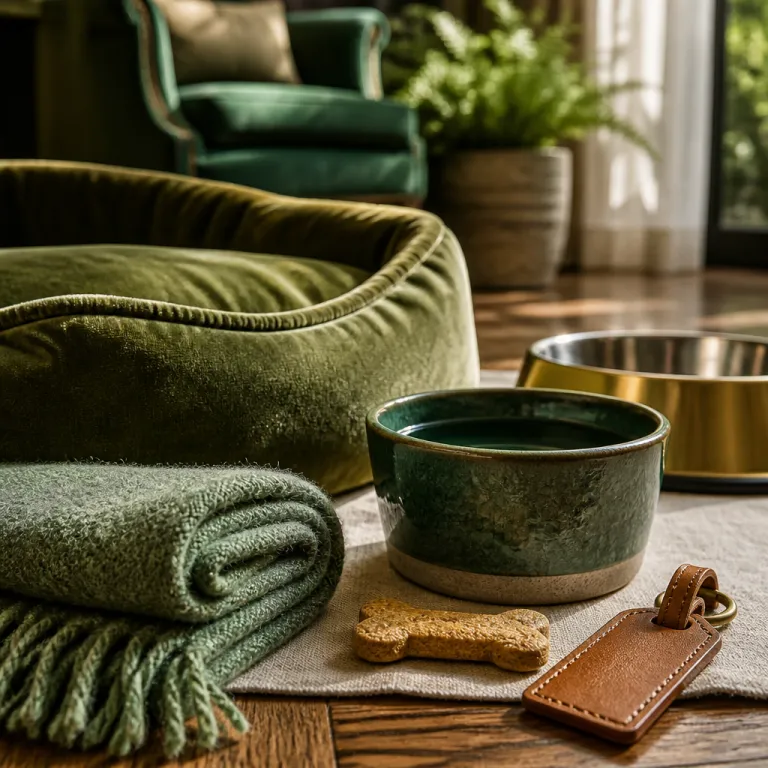
Start with the basics inside your room, because this is where your dog will spend most of the time. Many leading hotels now prepare a room with a washable pet bed, a water bowl, and a food bowl, so you do not need to pack bulky items in your luggage. Some inn suites brands even offer a small welcome pack for pets, where amenities include treats, waste bags, and a simple guide to nearby dog walking routes.
Outdoor access is equally important, especially in dense city centres where green space is limited. A resort style property on the edge of town might offer direct access to gardens or riverside paths, while a central inn relies on nearby public parks within a few hundred metres. Check whether the hotel provides clear maps for safe dog walking at night, because this affects both your comfort and your pet’s routine.
Hydration and cleanliness are often overlooked, yet they shape the quality of your stay. Look for hotels where amenities include an outdoor water bowl station near the entrance, along with towels for muddy paws during rainy weather. Some properties also provide a small cleaning area or even a pet shower, which can reduce the risk of extra cleaning fee charges when you check out.
Breakfast arrangements matter when you travel with pets, especially if you prefer not to leave your dog alone in the room. Certain inn suites and Holiday Inn properties in many regions allow pets in designated corners of the lobby or terrace, so you can enjoy a generous continental breakfast together. Guides to refined stays with generous continental breakfasts, such as this overview of refined stays near you, can help you identify hotels that balance food quality with pet access.
Finally, consider partnerships with local pet services, because these extend the value of on site amenities. Some hotels in the United States collaborate with nearby groomers, veterinarians, and dog walking companies, giving you reliable contacts if plans change or emergencies arise. When amenities include these curated connections, your stay feels more like a well supported city guide for pet owners than a simple overnight stop.
City guide to Your City for guests staying with pets
Once you have chosen among the hotels with pets allowed near me, the next step is planning how you and your pet will experience your destination city. Many compact cities offer a mix of riverside promenades, leafy squares, and pet friendly cafés within a few kilometres of the main downtown streets. With a little preparation, you can design a stay that suits both human and animal rhythms.
Begin your day with a gentle walk along the nearest park or waterfront path, which many hotels highlight on their city maps. Early morning is ideal for dogs with high energy, because cooler air and quieter streets reduce stress for nervous pets. Ask the front desk staff for their preferred dog walking loops, as they often know quieter side streets and hidden green corners that do not appear on standard tourist brochures.
Midday in busy city centres can be hectic, so plan indoor breaks that keep your pet comfortable. Choose a hotel room with good natural light and enough floor space for a bed, water bowl, and toys, especially if your dog will rest alone for short periods. When you step out to visit museums or heritage sites that do not allow pets, limit your absence and inform reception so they can contact you quickly if your dog becomes distressed.
For lunch and coffee, look for terraces and cafés that clearly indicate they are dog friendly, often with a small water bowl at the entrance. Staff in these places are used to welcoming pets and may even keep treats behind the counter, which can make your dog feel relaxed in a new environment. Always keep your pet on a short lead and away from busy service areas, both for safety and out of respect for other guests.
Afternoons are perfect for exploring quieter neighbourhoods beyond the main tourist axis. Many visitors combine a stroll through residential streets with a stop at local markets, where outdoor stalls often accept dogs with calm behaviour. If your hotel collaborates with local pet services, you might even arrange a professional dog walking session, giving you time for a longer museum visit while your pet enjoys exercise with a qualified handler.
As evening falls, return to your hotel for a calm routine that signals the end of the day to your pet. A short final walk near the property, followed by fresh water and a comfortable bed in your room, helps most dogs settle quickly despite unfamiliar surroundings. When you treat the city as both a cultural destination and a temporary home for your pet, every night feels like part of a well curated city guide rather than a rushed stopover.
Choosing between resorts, inns, and city hotels for pet stays
Different types of accommodation handle pet policies in distinct ways, so your choice among hotels with pets allowed near me should reflect how you like to travel. A large resort on the outskirts of town offers space and greenery, while a compact inn near the main street delivers walkable access to restaurants and cultural sites. City hotels in the central grid often balance both, combining efficient rooms with quick routes to parks.
Resort properties usually suit guests travelling with active dogs that need long walks and open lawns. These hotels often provide direct access to trails, outdoor seating where amenities include water bowl stations, and sometimes even dedicated dog walking areas away from main guest flows. The trade off is distance, because you may rely on taxis or public transport to reach museums, theatres, and business districts in the city.
Traditional inns and inn suites in the historic core of many cities appeal to travellers who prioritise atmosphere and proximity. Rooms can be smaller, so you should confirm that your room with a pet has enough space for a bed and bowls without blocking circulation. Many of these properties welcome pets with a modest nonrefundable fee and clear weight limits, making them attractive for guests with smaller dogs.
Modern city hotels, including some Holiday Inn locations, often sit between these two extremes. They provide predictable standards, clear pet friendly policies, and efficient layouts that work well for short business stays or quick weekend breaks. Some of these hotels have embraced heritage conversions, turning former warehouses or civic buildings into refined spaces; guides such as checking into history explain how these conversions can enhance both character and comfort.
When you compare these categories, think about your daily rhythm with your pet. If you plan long days in meetings or galleries, a central hotel with reliable dog walking partners and flexible housekeeping schedules may beat a distant resort, even if the latter has more lawns. Conversely, if your trip revolves around outdoor time, a resort with generous grounds and lower cleaning fee risks might be the better match.
Whatever you choose, insist on transparent communication from the hotel manager or front desk staff. Ask how many pets the property accepts per room, whether an additional pet changes the nonrefundable fee, and how they handle noise complaints related to barking. Clear answers signal a mature pet policy, which usually translates into a calmer environment for both animal guests and their human companions.
Practical check in tips and etiquette for staying with pets
Arriving smoothly at hotels with pets allowed near me depends on preparation long before you reach the lobby. Keep vaccination records, identification tags, and any required paperwork in a single folder that you can present quickly if the hotel requests proof. Many properties in the United States now include these checks in their standard operating procedures to protect both guests and staff.
At check in, confirm the exact room allocation for your stay, especially if you requested a lower floor or a location near an exit for late night walks. Politely ask the front desk staff to repeat the key points of the pet friendly policy, including where dogs with you are allowed and which areas remain off limits. This is also the right moment to verify the total pet fee, any nonrefundable cleaning fee, and the process for reporting accidental damage.
Inside the room, set up a familiar zone for your pet before you unpack your own luggage. Place the bed in a quiet corner away from the corridor, then arrange a water bowl and food bowl on a washable mat to prevent spills on the carpet. Close windows and check for any small gaps or tempting cables, because a calm and safe environment reduces the risk of extra pet charges later.
Good etiquette in shared spaces protects the reputation of all pet owners who travel. Always keep your dog on a short lead in corridors and lifts, and avoid lingering near restaurant entrances where other guests may feel uncomfortable. If your pet is anxious or vocal, choose stairs instead of lifts when possible, which can also help you manage weight and fitness during your stay.
Housekeeping coordination is another essential part of a successful stay with pets. Inform the team of your preferred cleaning times, and either take your dog out for a walk or secure them in a crate when staff enter the room. This simple habit protects the safety of employees and reduces the chance of misunderstandings that could lead to an additional pet charge or complaints from neighbours.
Finally, remember that hotel teams aim to balance pet friendly hospitality with the comfort of all guests. Feedback shared by local operators is clear: travellers with pets need accommodations, and the goal is to offer comfortable stays for pet owners while maintaining high service standards. When you respect house rules, manage noise, and clean up promptly after your pet, you help ensure that more hotels in your favourite cities continue to welcome pets in the future.
Key statistics on pet friendly hotels and travel
- Industry data from the American Hotel & Lodging Association indicates that roughly 60% of U.S. hotels now allow pets in some form, meaning a significant share of the national inventory welcomes animals alongside human guests. This figure comes from AHLA summaries of member surveys conducted over the last few years, which track the growth of pet friendly policies.
- Local operators in many countries describe an ongoing rise in pet friendly accommodations, reflecting a broader trend of increased pet travel as more guests refuse to separate from their animals during holidays or business trips. Trade publications and tourism board reports echo this pattern, noting that pet ownership rates and demand for pet inclusive stays have both increased.
- Internal surveys from several major hotel brands show that transparent communication about any nonrefundable fee or cleaning fee linked to pets significantly improves guest satisfaction scores, because travellers value clarity more than low prices alone. Properties that publish clear pet rules on booking pages and confirm them again at check in tend to receive higher review ratings from pet owners.
- Hotel partners in various regions report that properties offering amenities such as a water bowl, pet beds, and access to dog walking services see higher repeat bookings from pet owners compared with hotels that simply accept pets without added support. These findings are consistent with feedback collected through loyalty programmes, where guests often mention pet amenities as a reason for returning.
FAQ about staying in hotels with pets allowed near you
Are there extra fees for pets in most hotels ?
Yes, fees vary by hotel. Some properties charge a flat nonrefundable fee per stay, while others apply a nightly pet fee or an additional pet surcharge, so you should always ask for a full written breakdown before confirming your reservation.
What pet amenities are typically offered in pet friendly hotels ?
Amenities differ; check with the hotel. Common examples include a washable pet bed, a water bowl, a food bowl, waste bags, and sometimes access to local dog walking services or nearby green spaces recommended by the front desk staff.
How can I confirm a hotel’s pet policy before booking ?
The most reliable approach is to combine online booking research with a direct phone reservation call or email to the property, asking specific questions about weight limits, maximum number of pets, nonrefundable fees, and any restricted areas within the building.
Is it safe to leave my dog alone in a hotel room ?
Safety depends on your dog’s temperament and the hotel’s rules, so you should only leave a calm, crate trained pet alone for short periods, inform reception, and provide a contact number in case of noise complaints or signs of distress.
Do pet friendly hotels accept all dog breeds and sizes ?
Policies vary widely, with some hotels setting weight limits or breed restrictions, so you must confirm in advance whether your specific dog, including its weight and breed, is accepted under the property’s current pet policy.