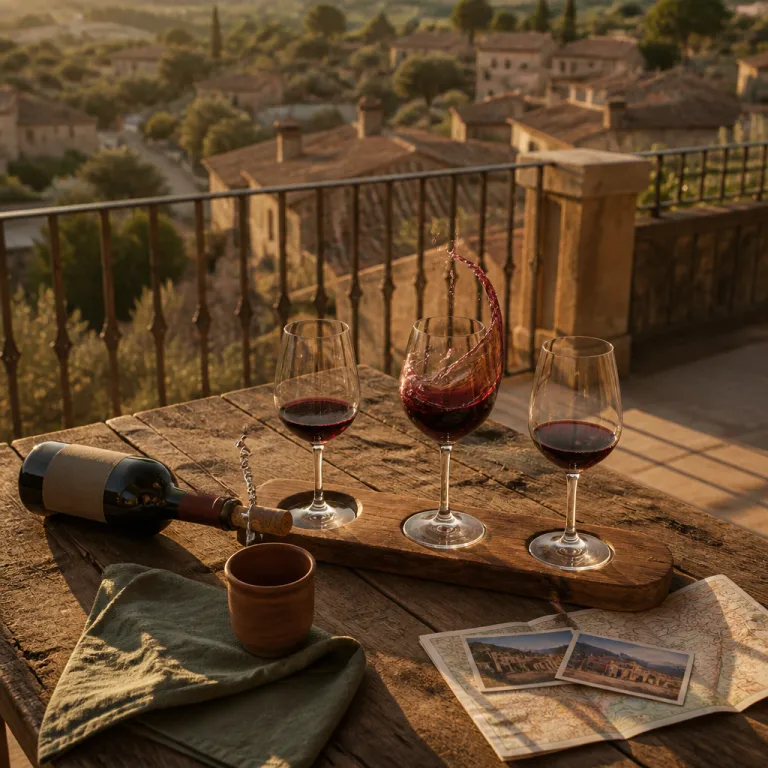
The new hotel wine program experience: from list to journey
When you search for a hotel near you, the wine program rarely appears on the booking filter, yet it increasingly defines how guests feel the place. The most forward thinking hotels now treat the wine list as a narrative tool, turning every glass into a chapter about the village outside, the classic regions nearby, and the people who farm the slopes you drove past on the way in. This shift is transforming a simple tasting into a full hotel wine program experience that quietly rivals the guidebook in depth.
Across resorts and city hotels worldwide, about three quarters of properties now offer some form of structured wine program to guests, and the best of them lean hard into local terroir rather than price ladders. Instead of a dense list sorted by cost, you see wines grouped by soil type, wind exposure, or distance from the hotel, with sommeliers explaining why a bottle wine from a steep granite terrace tastes different from one grown on river stones only 5 km away. These wine experiences are curated with the same care as a spa menu or a chef’s tasting, and they turn the dining room into a map you can drink.
Hotel sommeliers act as curators in this model, selecting wines from nearby vineyards and classic regions that frame the story of where you are staying. Their sommelier team often works hand in hand with the culinary brigade, aligning each glass wine pairing with dishes that highlight local produce, from mediterranean inspired seafood to mountain cheeses and orchard fruit desserts. The result is a wine destination feeling even in an urban hotel, where a sommelier led program can make a single bottle glass pour feel like a short trip beyond the city limits.
The sommelier as concierge: reading a city through the glass
In the best properties, the sommelier is no longer just the person who appears when you hesitate over the wine list, but a kind of liquid concierge who can sketch the region for you through the glass. Ask about a local bottle wine and you might leave with a walking route through hillside vineyards, a reservation at a tiny bistro, and a list of cellar doors to visit the next afternoon. This is where a serious wine program becomes a navigation tool for guests, not just a revenue line for hotels.
Many award winning teams now design sommelier led experiences that extend beyond the dining room, such as vineyard picnics, harvest visits, and private wine dinners with visiting winemakers who share news from the fields. These wine experiences often sit alongside equally curated zero proof pairings, with non alcoholic ferments, teas, and infusions sourced from the same farms and classic regions as the wines, a trend explored in depth in our guide to zero proof hotel bars and the new cocktail ritual. When a hotel treats both wine and zero proof drinks as parallel terroir stories, couples can share the same narrative at the table even if only one person drinks alcohol.
Look closely at the sommelier team and you will often find court master certifications, level wine qualifications, and sometimes even master sommeliers who mentor younger colleagues. Their expertise shows in the way they talk about a wine wall display or a humble bottle glass pour, always tying it back to the village, the growers, and the season. For a couple planning a romantic stay, this sommelier as concierge model means you can land, sit down for a first glass wine, and walk out with a personalised map of the neighbourhood that feels far richer than any press article or tourist brochure.
From wine list to immersive evenings: tastings, dinners, and theatrical plates
Once you start choosing hotels for their wine program, you notice how the evening rhythm changes, because the dining room becomes a stage for immersive tastings and wine dinners rather than just a place to refuel. Many resorts now schedule sommelier led soirées several nights a week, where a small group of guests moves from aperitif to dessert with a dedicated sommelier explaining each glass and its link to the surrounding landscape. These events turn the standard hotel wine program experience into something closer to a salon, where strangers trade notes on wines and leave with new friends.
Some properties build entire culinary calendars around visiting winemakers, pairing their wines with tasting menus that feature theatrical plating moments, table side sauces, and dishes finished in front of you to echo aromas in the glass. The best teams integrate wine education seamlessly into these dinners, so you learn about classic regions, grape varieties, and cellar techniques without ever feeling like you are in a classroom, a philosophy that aligns with the simple guidance that “What are hotel wine programs? Initiatives offering local wines to guests.” and “Why do hotels offer local wines? To showcase regional flavors and attract wine lovers.”. When you see an award posted at the entrance or a mention from Wine Spectator in the press, it usually reflects years of work by an équipe that treats every service as a chance to refine the choreography between plate and pour.
For couples, these evenings can be the highlight of a stay, especially when combined with a room that feels like a private retreat after the last bottle wine has been poured. If you value that cocooning element, look for properties that pair strong dining and wine experiences with suites featuring features such as private hot tubs, as outlined in our guide to elegant hotel suites with private hot tubs near you. A thoughtful hotel will time its wine dinners so that guests can linger over a final glass wine, then slip upstairs without feeling rushed, carrying the story of the evening back to their own quiet space.
Vineyard adjacent stays: when the resort is part of the wine map
Some of the most compelling hotel wine program experiences happen not in cities but in vineyard adjacent resorts, where the property is physically woven into the surrounding wine region. Here, the wine destination is literally outside your window, and the sommelier team often spends as much time in the fields as in the cellar, walking rows with growers and tasting barrel samples to plan future pairings. Guests are invited into this rhythm through early morning vineyard walks, harvest participation, and blending sessions where you can create your own bottle wine to open on a future anniversary.
These hotels usually feature a wine wall in the lobby or dining room, a floor to ceiling display of bottles organised by slope, soil, or parcel rather than by price, turning the list into a tactile map you can read with your eyes and hands. Many of them also integrate spa rituals that echo the same terroir, using grape seed oils, vine leaf wraps, or mediterranean inspired botanicals so that your day moves from massage table to tasting room without breaking the narrative thread. When the resort’s program is this cohesive, even a simple bottle glass pour at lunch feels like part of a larger story about the valley, the climate, and the families who have worked the land for generations.
Couples who care about food often care just as much about breakfast, so it is worth seeking properties where the morning table is treated with the same respect as the evening wine dinners. Our guide to refined continental breakfast options in quality hotels explains how to read between the lines of marketing language to find serious kitchens. When a hotel shows this level of intent across breakfast, spa, and wine program, you can trust that every glass, plate, and pillow has been considered with the same quiet precision.
How to choose a hotel with a serious wine program near you
When you are scanning options for a hotel near you, a few concrete signals reveal whether the wine program is worth planning a trip around, starting with how the wine list is structured. A thoughtful property will highlight local wines and classic regions first, often with maps, producer notes, and clear indications of which bottles are available by the glass, rather than burying everything under a long alphabetical list. Look for mentions of sommelier led tastings, wine dinners, or vineyard excursions in the hotel’s description, because these experiences show that the program is designed for guests, not just for banquets.
Credentials matter too, so pay attention to whether the sommelier team includes court master certified professionals, level wine graduates, or even master sommeliers who oversee training and wine education for the wider équipe. Awards from respected publications such as Wine Spectator can be useful indicators, especially when the citation mentions local sourcing, sustainability, or a focus on regional wines rather than just a large cellar, and phrases like winning wine or award winning selections usually reflect this external validation. A visible wine wall, clear information about bottle glass and glass wine pricing, and transparent communication about partnerships with nearby vineyards all signal a hotel that takes its role as a wine destination seriously.
Finally, consider how the wine program fits into the broader dining and spa offering, because the most satisfying hotel wine program experience is one thread in a larger tapestry of hospitality. A strong culinary team will design menus that flex with the seasons, allowing the sommeliers to rotate wines and keep the list alive, while the spa might offer grape based treatments that echo what is in your glass. When all these elements align, you are not just booking a hotel room but stepping into a set of layered experiences where the village, the vineyard, and the glass speak to each other from the moment you arrive.
FAQ
What exactly is a hotel wine program, and how is it different from a standard wine list ?
A hotel wine program is a structured approach to selecting, presenting, and serving wines that aims to tell a coherent story about the region and the property, rather than simply offering a long list of labels. It usually includes curated flights, tastings, wine dinners, and educational elements led by a sommelier team, often with a strong emphasis on local producers. As one industry explanation puts it, “How can guests participate? Attend tastings or order local wines by the glass.” which captures the guest facing side of these initiatives.
How can I tell if a hotel near me has a serious wine focus before I book ?
Start by reading the hotel’s dining pages carefully, looking for mentions of a dedicated sommelier, wine dinners, or partnerships with nearby vineyards. Check whether the wine list highlights local wines and classic regions, and whether any awards from respected publications such as Wine Spectator are mentioned. If the property describes sommelier led tastings, vineyard tours, or wine education sessions, you can be confident that the wine program is a core part of the experience.
Are hotel wine programs only for expert wine drinkers, or can beginners enjoy them too ?
Well designed hotel wine programs are built for all levels, from curious beginners to seasoned collectors, with sommeliers trained to adjust the depth of information to each guest. Many properties offer introductory flights, short tastings before dinner, and relaxed wine experiences that focus on flavour and story rather than technical jargon. If you are new to wine, let the sommelier know, and they will usually tailor the journey to your comfort level.
Do hotels with strong wine programs also cater to non drinkers or low alcohol preferences ?
Yes, the best hotels now develop zero proof pairings and non alcoholic beverage programs that mirror the philosophy of their wine program, often using local fruits, herbs, and ferments. This means non drinkers can enjoy a parallel tasting journey that reflects the same terroir and culinary thinking as the wine list. When you see detailed descriptions of non alcoholic pairings on the menu, it is a sign that the property values inclusivity at the table.
Is it worth paying more for a resort that promotes itself as a wine destination ?
If you care about food, place, and immersive experiences, paying a premium for a resort with a serious wine destination profile can deliver strong value. These properties often include tastings, vineyard visits, and sommelier led events in their packages, turning a simple stay into a layered journey through the surrounding region. For couples, the combination of thoughtful dining, a rich wine program, and a comfortable room can make the overall experience feel far greater than the sum of its parts.