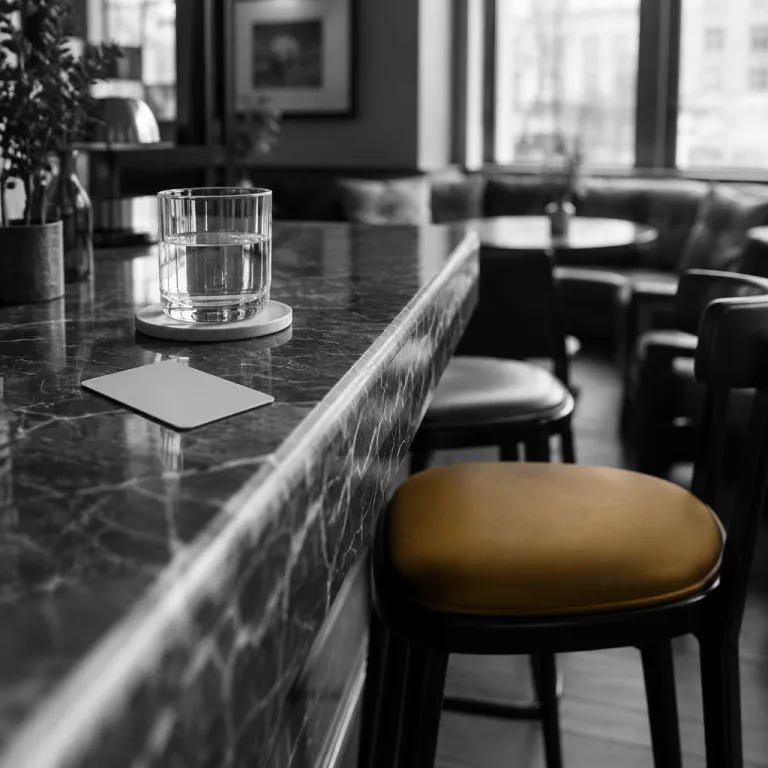
How the best hotel bar near you became the real lobby
When you search for the best hotel bar near me, you are really asking where your stay should begin. The modern hotel management team now designs the bar as a street-facing living room, with designers and architects shaping zones, lighting and seating so that guests and locals share one social valley rather than separate islands. In global urban locations from California to France, the most successful properties sell hours and atmosphere instead of only selling a room for the night.
The shift is measurable rather than theoretical. Industry surveys from major hotel brands consistently report that a clear majority of guests prefer hybrid spaces where work and leisure blend, and internal guest-experience tracking often shows that genuine human contact now rivals décor as a driver of satisfaction. That is why the best hotel bar near you now runs a full-day sequence, moving from morning café mode to afternoon lounge and then to an evening bar service that feels like a neighbourhood salon instead of a transactional counter. Hotel management, guests and external design studios collaborate as equal actors, turning the bar into the place where you first sense whether the address truly belongs to the city outside.
For a solo explorer, this evolution matters more than any room upgrade or extra square metre. You can arrive with a single carry-on bag, sit at the counter with a short menu, and feel part of the local rhythm within minutes rather than hours. When you evaluate the best hotel cocktail bar near me, you are really judging whether the property has become a genuine third place for the neighbourhood or remains a corridor for guests killing time before sleep.
Reading the room: how to judge a hotel bar before you book
The smartest way to choose the best hotel bar near me is to study the bar long before you hand over a credit card. Look for a street-visible façade with warm lighting, a mix of counter stools and low lounge seating, and at least one corner where a solo traveller can sit with a laptop without feeling like an intruder. If the bar opens early with a credible coffee programme and fresh juice rather than only late-night spirits, you are seeing a space designed for a full-day life cycle.
Menus tell their own story. A serious list will balance classic rye and single malt whisky with lighter options, from lime-juice-based highballs to low-alcohol spritzes and alcohol-free cocktails that are treated with the same care. When you see names like Macallan, Glenfiddich and Balvenie alongside Johnnie Walker, Don Julio and Grey Goose, check whether the team highlights specific cask finishes, age statements by year and regions such as Napa Valley, the Loire Valley or other well-known California wine valleys. A thoughtful bar will reference both French wine regions and Californian vineyards, perhaps pairing a glass of rosé from Provence with small plates that echo West Coast produce, showing that the chef and bar team actually talk to each other.
Breakfast service is another reliable indicator for someone who travels alone. A hotel that treats its morning bar as a calm café, with proper pastries, seasonal fruit and well-made coffee, usually maintains higher standards once the lights dim and the spirits appear. If you care about elegant hotels serving exceptional breakfast near you, the same attention to detail often signals that the evening bar will feel equally considered and welcoming.
What separates a great hotel bar from a good one
Once you sit down, the best hotel bar near me reveals itself through people rather than décor. A great bartender works as an informal concierge, remembering your name after a single visit and offering restaurant suggestions that match your appetite rather than a generic list. Guests and locals share the counter, and you will overhear conversations about neighbourhood events instead of only flight delays and loyalty points.
The back bar should read like a map of taste rather than a trophy shelf. Look for a balanced line-up where a rare-cask Macallan sits comfortably beside a younger Glenfiddich age statement, a specific Balvenie bottling and perhaps a smoky Laphroaig for those who like peat. When a menu lists a Macallan from a particular year or highlights a vintage Balvenie or Glenmorangie, the question is whether the bartender can explain why that particular release matters for the malt profile. The same applies to a carefully chosen Dalmore or a measured Louis XIII pour, which should be framed as a special experience rather than a quick upsell.
Cocktail lists at serious bars now weave tequila and mezcal into the story with equal respect. You might see Don Julio reposado and Don Julio añejo side by side, with the bartender explaining how the cask ageing shapes flavour, or a flight that compares a single-barrel tequila with a classic rye whiskey. When fresh lemon and lime appear in both cocktails and the kitchen, and when lime juice is squeezed to order rather than poured from a bottle, you can trust that the same care extends to the food menu, which increasingly drives the decision to book a room where dining is worth the stay.
The programming layer: from listening bars to inclusive menus
The best hotel bar near me no longer relies on a television above the counter and a happy hour sign. Instead, hotel management teams partner with local artisans, community groups and cultural curators to build a calendar that turns the bar into a neighbourhood living room. You might find a listening-bar night with carefully selected vinyl, a rotating residency from a visiting bartender, or a small-scale tasting that explores single malt whisky from different valleys and coastal regions.
Inclusive drinking culture has become a baseline rather than a marketing angle. Serious bars now design zero-proof menus with the same precision as their spirit-forward lists, using fresh juice, house-made syrups and thoughtful garnishes. A no-alcohol drink built on lime juice, seasonal fruit and a hint of rose water should arrive in the same glassware and with the same care as a Macallan rare-cask pour or a Grey Goose martini. When a menu places a VSOP Cognac next to an alcohol-free aperitif, or sets a Johnnie Walker highball beside a complex zero-proof spritz, it signals that every guest is meant to feel equally welcome at the bar.
Programming also helps balance the tension between scene and sanctuary. Early evenings might favour softer lighting and lower music levels, giving solo travellers space to read or work, while later hours bring in live music or DJ sets that draw the local crowd. Hotels that manage this rhythm well effectively offer several bars in one, allowing you to choose whether your night leans toward quiet reflection or social energy without ever leaving the property.
Choosing your room by choosing your bar
For a solo explorer, the best hotel bar near me often matters more than a marginally larger room or a slightly higher floor. When you step outside the bar and the neighbourhood greets you before the concierge does, you know the address is working in your favour. That is why many experienced travellers now start their search with the bar, then move to room types, rather than the other way around.
Look for hotels where the bar connects directly to the street, with doors that open wide in good weather and sightlines that let passers-by see the life inside; this is how a bar becomes a true third place rather than a private lounge. Properties that invest in flexible seating, from communal tables to quiet corners, usually understand that guests use the bar for work, dates, solo dinners and late-night conversations. If you also value elegant hotels near you with private balconies and refined views, pairing that kind of room with a vibrant yet comfortable bar downstairs gives you both retreat and connection in a single stay.
When you read reviews, pay attention to how often guests mention staff by name and whether locals appear in the narrative. A bar that attracts residents from the surrounding blocks, not just conference attendees, will give you a more accurate sense of the city’s rhythm. In practice, choosing a hotel through its bar means choosing a neighbourhood living room where your evenings feel both safe and open-ended, a combination that turns a simple overnight into a stay you remember long after you check out.
FAQ
Why are hotel bars becoming neighbourhood hubs rather than guest only spaces ?
Hotel bars are evolving into neighbourhood hubs because modern guests want social third places and hotels want to diversify revenue beyond room nights. By opening street-facing bars, programming cultural events and welcoming locals, properties create a more vibrant atmosphere that benefits both visitors and residents. This approach strengthens community ties and often leads to higher occupancy and repeat stays.
How can I tell if a hotel bar will feel comfortable for solo travellers ?
A solo-friendly bar usually offers a mix of seating, including counter stools with good sightlines and small tables where one person does not feel exposed. Look for attentive but unintrusive staff, a menu that includes half portions or bar snacks, and a crowd that mixes locals with guests. If the space feels welcoming during the day as a café and relaxed in the early evening, it will likely suit solo travellers at night.
What design features make a hotel bar feel like a living room ?
Warm lighting, layered textures and clearly defined zones help a bar feel like a living room rather than a transit space. Designers often combine sofas, armchairs and bar stools to create different moods within one room, allowing guests to choose between social and quiet corners. When the bar opens visually to the street and connects smoothly to the lobby, it encourages both locals and guests to treat it as a shared home base.
How do hotels balance exclusivity for guests with access for locals at the bar ?
Hotels balance this tension by using subtle zoning, timed events and clear branding. Some areas or hours may be reserved for guests, while other times the bar actively invites the neighbourhood in through public programming. This structure lets paying guests feel recognised and protected while still benefiting from the energy that local regulars bring to the room.
Why should the bar influence my choice of hotel more than the room type ?
The bar often shapes how you actually experience the city, especially if you travel alone or work on the road. A well-run bar can provide meals, social contact, local recommendations and a safe place to unwind, turning a functional stay into a memorable one. Since you may spend more waking hours in shared spaces than in your room, choosing a hotel for its bar can deliver better overall value and satisfaction.